Overnight Mall Patrol Robot Reduces Security Costs by 62% and Detects 31 Incidents in Year One

Overnight Security at Scale: High Cost, Coverage Gaps, and Undetected Facility Risks
A regional shopping mall operator managing a 180,000 m² mixed-use retail complex in southern China faced a persistent challenge with overnight security operations. The mall — comprising five retail floors, two basement car parks, a food court, a cinema, and a service corridor network — required 22 overnight security guards to maintain acceptable coverage from 22:00 to 08:00. The annual cost of the overnight security operation represented 34% of the mall’s total facilities management budget.
Despite the significant staffing investment, the operations director identified three structural weaknesses in the overnight security model. First, coverage consistency: with 22 guards covering 180,000 m², individual patrol routes were completed only once every 90–120 minutes — leaving large sections of the mall unmonitored for extended periods. Second, human factors: incident log analysis showed that guard response times degraded significantly between 02:00 and 05:00, with average response times to reported incidents extending to 14 minutes during this window. Third, facility risk blind spots: the overnight team had no systematic process for detecting non-security hazards such as water leaks, gas accumulation, or electrical overheating — risks that had caused two significant insurance claims in the previous three years.
The operations director sought a solution that could maintain consistent patrol coverage throughout the overnight period, provide real-time incident detection and alerting, and extend monitoring to facility hazards beyond traditional security events — while substantially reducing the labour cost of the overnight operation.
“The overnight security cost was unsustainable, but we couldn’t simply reduce headcount without a credible replacement. We needed something that could patrol more consistently than humans, detect more types of incidents, and give us a real-time picture of the building overnight — not just a guard log.”
— Operations Director, Regional Shopping Mall
Six RZTL-1W Robots with Multi-Hazard Detection and Autonomous Charging
Shaanxi Smart Innovation Future Technology’s solution team conducted a two-week site survey, mapping patrol routes across all five retail floors, both basement car parks, and the service corridor network. Six RZTL-1W wheeled-legged robots were specified — one per retail floor and one shared between the two basement levels — with autonomous charging docks installed at central locations on each floor to enable continuous overnight operation without manual battery management.
The RZTL-1W was selected for its ultra-quiet wheeled locomotion mode — critical for overnight operation in a retail environment where noise from a legged robot would be unacceptable — combined with the leg-based obstacle clearance capability needed to navigate retail fixtures, service equipment, and the varied terrain of the basement car parks. Each robot was equipped with a dual-spectrum pan-tilt camera (visible light + thermal imaging), a gas detection sensor array (CO, LPG, and smoke), a water leak detection sensor, and a two-way audio module.
The cloud management platform was configured with the mall’s existing CCTV and fire alarm systems, enabling the robot fleet to serve as a mobile sensor layer that complemented the fixed infrastructure. AI behaviour analysis was configured to detect intrusion, loitering, and physical altercations; thermal imaging was set to alert on temperature anomalies in electrical distribution areas and kitchen exhaust systems; and the gas sensor array was configured to trigger immediate evacuation protocol alerts if readings exceeded safe thresholds.
62% Cost Reduction, 31 Incidents Detected, Two Critical Facility Events Prevented
In the first year of operation, the autonomous patrol system detected 31 incidents across all categories: 19 security events (including 11 after-hours intrusion attempts, 5 vehicle break-ins in the basement car parks, and 3 cases of vandalism), 10 facility anomalies (including 7 water leak detections and 3 electrical overheating alerts), and 2 critical safety events that the operations team identified as the system’s most significant contributions.
The two critical safety events were a gas accumulation alert in the food court kitchen area at 03:15 on a Tuesday morning, and a thermal anomaly in an electrical distribution room on the third floor that was subsequently identified as a failing transformer. In both cases, the robot’s sensor systems detected the developing hazard before it reached a level that would have triggered the building’s fixed detection infrastructure — providing an estimated 45–90 minutes of additional warning time. The mall’s insurance provider reviewed the incident reports and reduced the facility’s annual premium by 12% in recognition of the improved risk management capability.
The overnight security team was reduced from 22 guards to 8 — with the remaining staff managing the cloud platform, responding to robot-generated alerts, and handling situations requiring physical intervention. Security labour costs fell by 62%, with the full system investment recovering in 11 months based on labour savings alone. The operations director subsequently extended the robot patrol schedule to include early morning hours (06:00–08:00) and weekend daytime periods, further expanding the system’s coverage and value.
Related solution:
Shopping Mall Night Patrol Solution →Get a Free Consultation
Discuss how our robots can replicate these results in your facility. No commitment required.
Related Case Studies
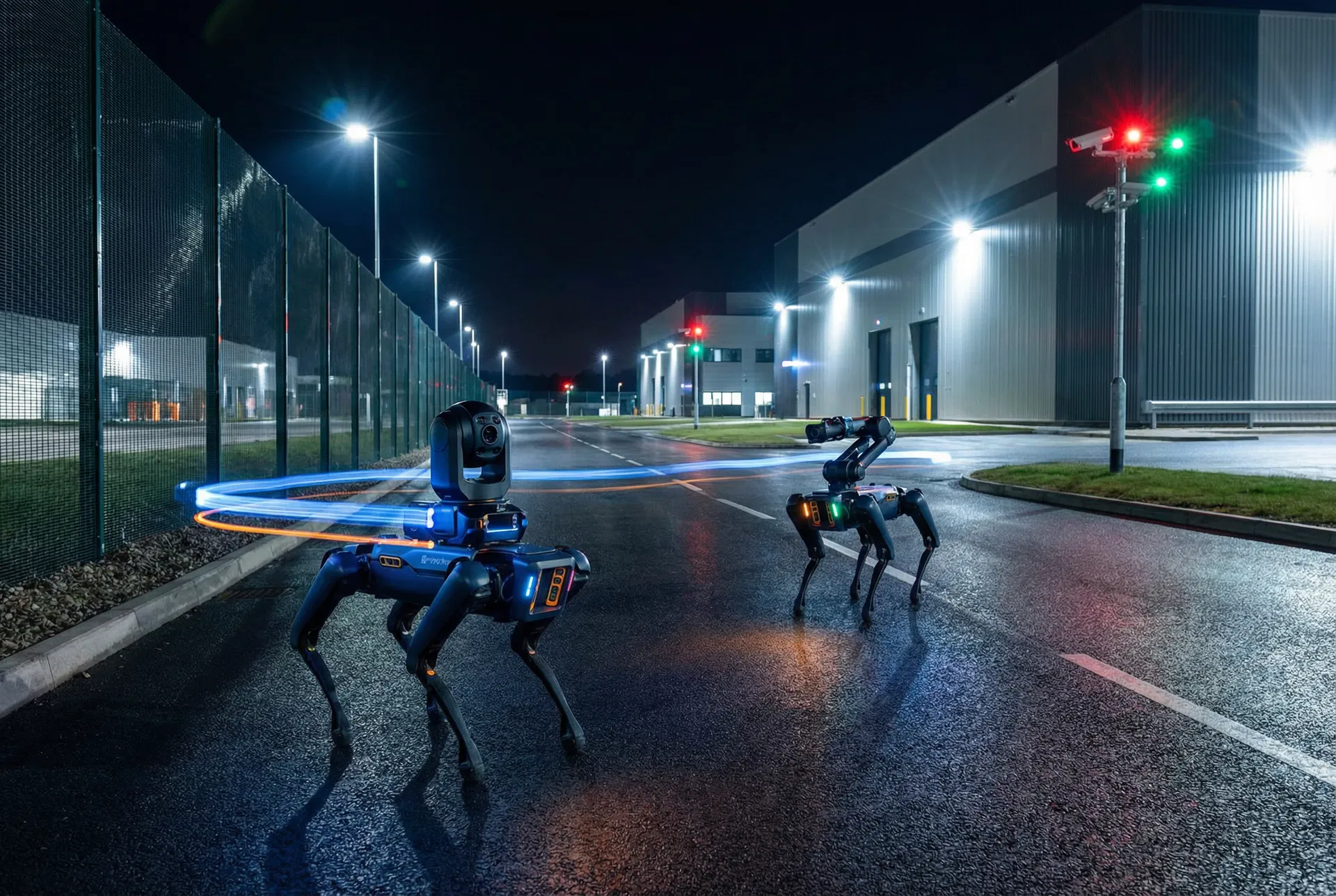 Security
Smart Industrial Park Deploys Quadruped Security Patrol Fleet
A 2.4 km² industrial park replaced night-shift security patrols with an autonomous robot fleet, achieving 100% perimeter coverage and 40% reduction in security incidents.
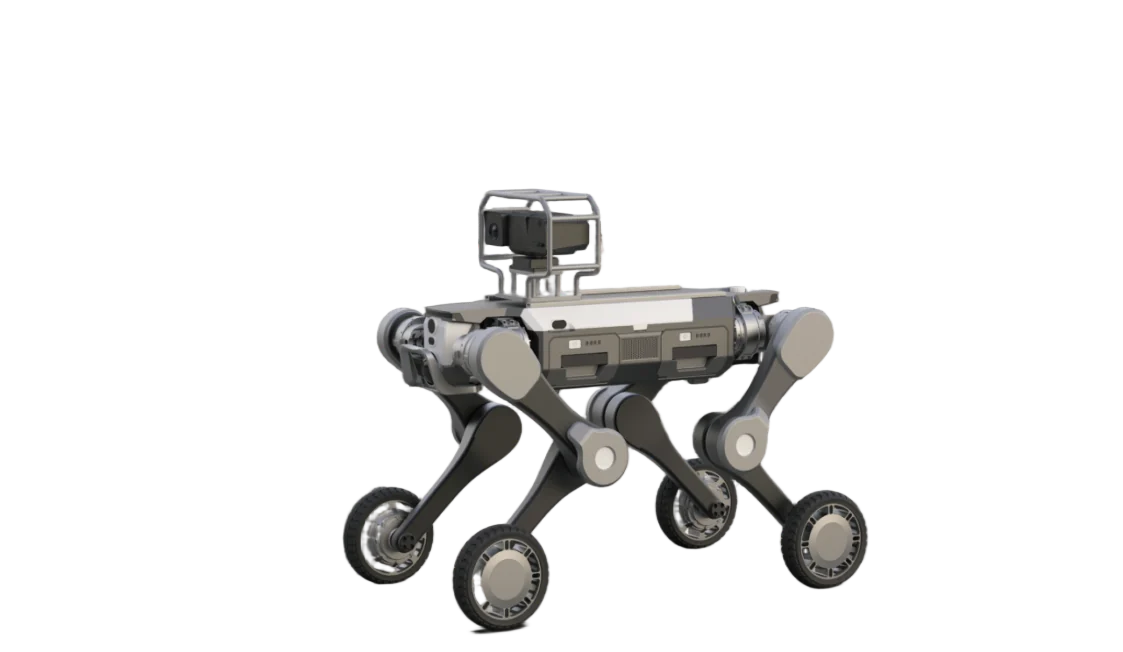 Campus Security
University Campus Autonomous Security Patrol Deployment
A major university deployed RZTL-1W robots for 24/7 campus security patrol, reducing security personnel costs by 45% while improving incident response time.
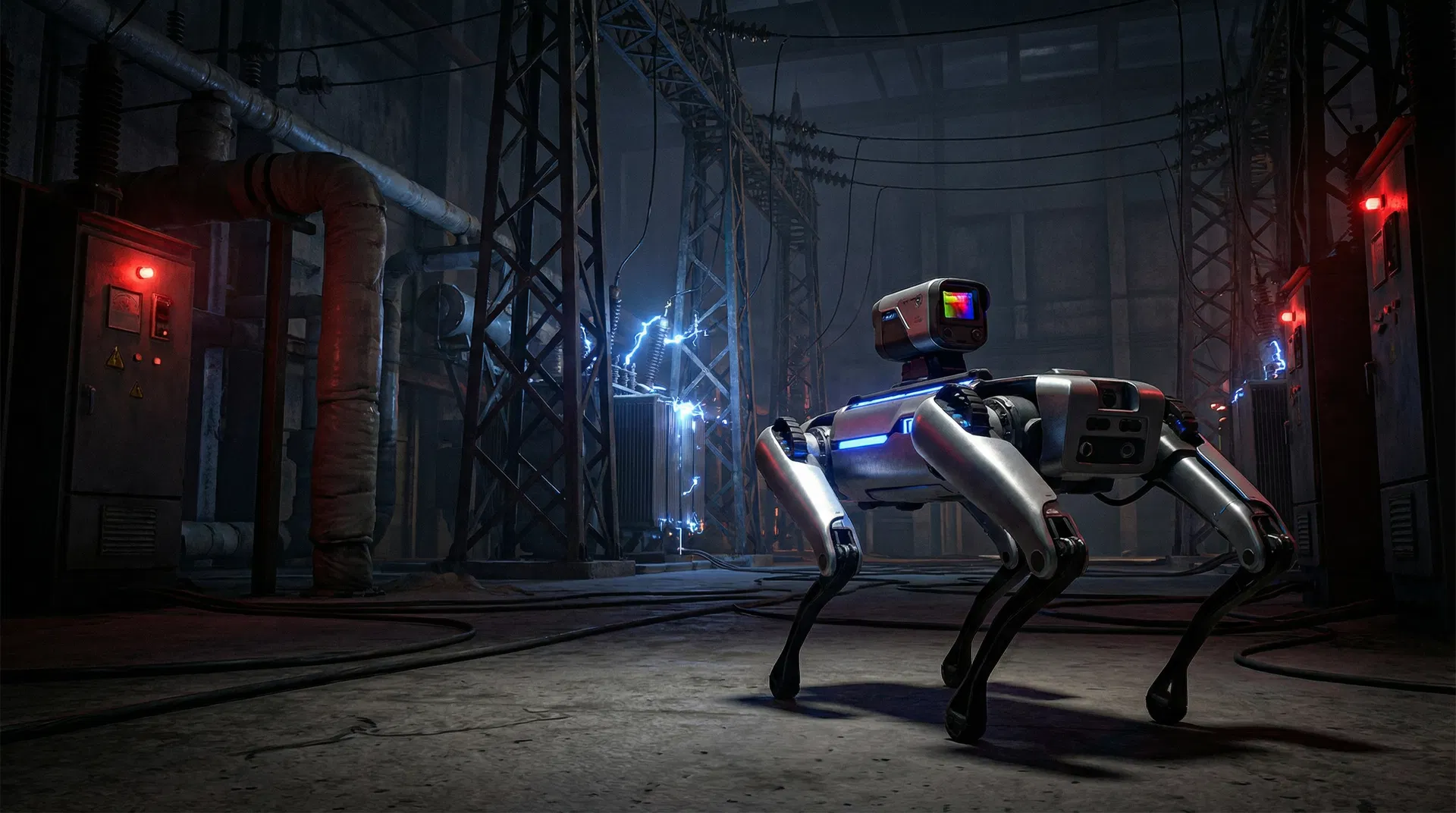 Power & Energy
Autonomous Substation Inspection Reduces Manual Rounds by 85%
A regional grid operator deployed the RZTL-1W across 12 substations, cutting inspection cycles from 4 hours to 45 minutes with real-time thermal anomaly detection.