Autonomous Fire Suppression.
Zero Personnel Risk.
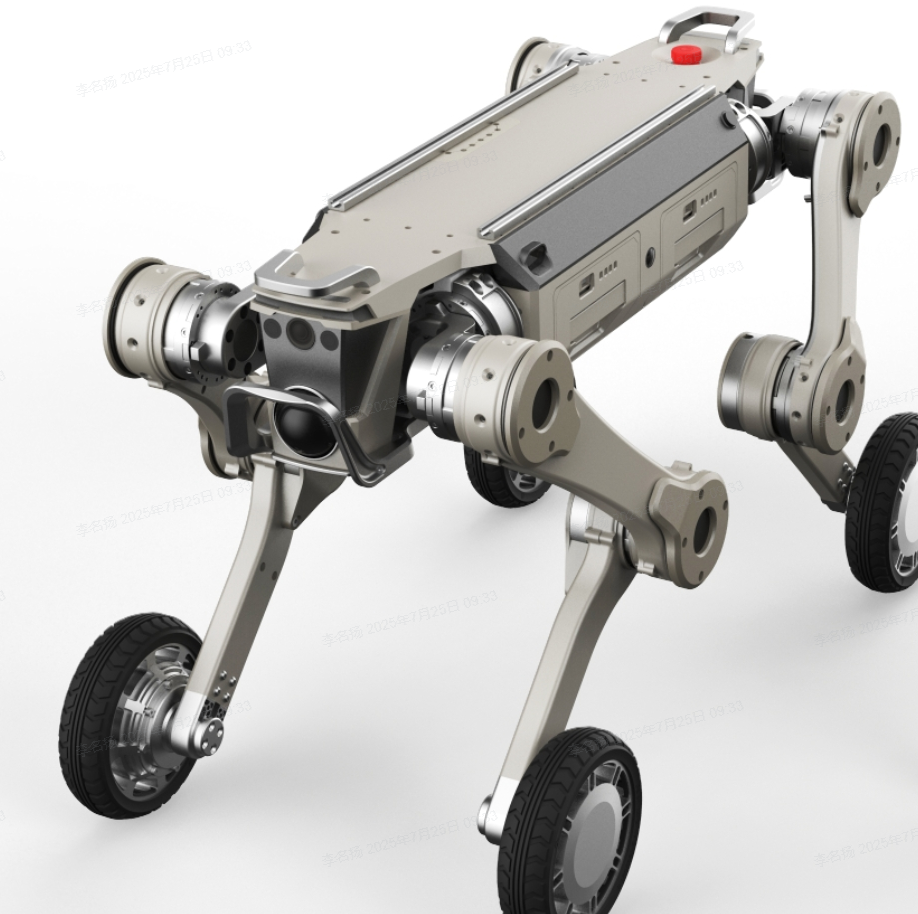
The RZTM-1 firefighting robot enters lethal zones — high-temperature, toxic, oxygen-depleted, structurally unstable — so your team doesn’t have to. Equipped with a 60 m water cannon, AI fire detection, compound gas sensing, and emergency communication relay, it delivers decisive suppression capability from a safe standoff distance.
Why Conventional Firefighting Falls Short
Industrial fires, chemical incidents, and structural collapses create environments that are simply too dangerous for human first responders to enter in the critical first minutes.
Firefighter Fatality Risk
Industrial fires, chemical incidents, and structural collapses kill and injure first responders every year. The most dangerous initial entry — before conditions are characterized — accounts for the majority of casualties.
Zero Visibility Environments
Dense smoke, toxic gases, and extreme heat make human reconnaissance impossible in the critical first minutes of a major incident. Decisions are made blind, increasing suppression time and escalation risk.
Delayed Suppression Response
Manual fire suppression requires staging, donning protective equipment, and advancing hose lines — a process that takes minutes while fire doubles in size every 60–90 seconds in uncontrolled conditions.
Secondary Explosion Hazard
Industrial fires frequently involve flammable gases, pressurized vessels, and reactive chemicals. Human responders cannot safely approach until the secondary explosion risk is assessed — a task ideally suited to a robotic platform.
Integrated Firefighting Intelligence
The RZTM-1 combines suppression hardware, sensing systems, and autonomous navigation into a single deployable unit that operates without human presence in the hazard zone.
60 m Water Cannon Suppression
The RZTM-1’s high-pressure water cannon delivers 20–40 L/s flow at ranges up to 60 m. Three selectable flow modes (20/30/40 L/s) adapt to fire intensity. Foam and dry-powder modules available for chemical and electrical fires.
AI Fire & Smoke Detection
On-board vision AI identifies open flames, smoke plumes, and heat signatures in real time. Dual-spectrum thermal + visible imaging locates hotspots through smoke and darkness, enabling precise suppression targeting without human guidance.
Compound Gas Sensing
Continuously monitors CO, H₂S, NO₂, SO₂, O₂, and combustible gas concentrations. Provides real-time atmospheric safety data to incident commanders, enabling informed entry decisions and evacuation timing.
IP67 All-Hazard Protection
Fully sealed against water and dust ingress. Operates in ambient temperatures from -20°C to 55°C. Designed to withstand radiant heat, chemical splash, and debris impact in active fire zones.
Emergency Communication Relay
Functions as a mobile communication node when fixed infrastructure is destroyed. Supports 4G LTE, Wi-Fi mesh, and satellite uplinks. Maintains command-to-scene connectivity even in GPS-denied, smoke-filled environments.
Wheel-Legged Mobility in Rubble
The hybrid wheel-legged drivetrain navigates rubble, debris, flooded corridors, and uneven industrial terrain. Wheeled mode delivers >8 m/s rapid approach; legged mode provides stable traversal over obstacles up to 65 cm.
Where the RZTM-1 Operates
Industrial Facility Fire Suppression
Petrochemical plants, warehouses, and manufacturing facilities present high fire loads and toxic atmospheres that are lethal to first responders. The RZTM-1 enters these environments autonomously, locates the fire source via thermal imaging, and applies targeted suppression while relaying live video and gas data to the incident commander.
Urban Search & Rescue Support
In collapsed structures and post-explosion scenes, the RZTM-1 navigates debris fields to locate survivors, relay atmospheric readings, and suppress secondary fires. Its compact form factor and legged locomotion allow access to spaces inaccessible to wheeled vehicles.
Hazardous Material Incident Response
Chemical spills, gas leaks, and CBRN incidents require continuous atmospheric monitoring before human entry is safe. The RZTM-1 deploys ahead of responders to characterize the hazard, identify ignition risks, and apply suppression or neutralizing agents as appropriate.
Critical Infrastructure Protection
Power substations, data centers, and server rooms contain high-value equipment that cannot be damaged by conventional water suppression. The RZTM-1 supports targeted suppression with foam or dry-powder modules, protecting equipment while eliminating the fire threat.
From Alarm to Suppression in Minutes
Alarm Received
Fire alarm or operator dispatch triggers RZTM-1 deployment. The robot self-activates and begins navigation to the incident location.
Hazard Reconnaissance
On approach, thermal imaging and gas sensors characterize the fire, identify hotspots, and assess atmospheric safety. Data streams live to the command center.
Autonomous Suppression
The AI targeting system locks onto the primary fire source. The water cannon deploys at the optimal flow rate and angle for maximum suppression effectiveness.
Incident Reporting
Post-suppression, the platform generates a structured incident report with thermal imagery, gas readings, suppression timeline, and recommended follow-up actions.
Complete Firefighting System Components
| Component | Role | Key Specifications |
|---|---|---|
| RZTM-1 Fire Robot | Primary Suppression Platform | 41 kg, IP67, -20°C to 55°C, 3.5 h loaded runtime, hot-swappable battery |
| High-Pressure Water Cannon | Fire Suppression Module | 20/30/40 L/s flow, 50/55/60 m range, 360° rotation, ±45° elevation |
| Dual-Spectrum Thermal Camera | Fire & Hotspot Detection | Thermal + visible imaging, AI flame/smoke recognition, 16× optical zoom |
| Compound Gas Sensor Array | Atmospheric Safety Monitoring | CO, H₂S, NO₂, SO₂, O₂, combustible gas; real-time alerts to command center |
| Emergency Comms Node | Resilient Communications | 4G LTE, Wi-Fi mesh, satellite uplink; AES-256 encryption; mobile relay capability |
| Incident Management Platform | Command & Control | Live video, gas readings, robot telemetry, suppression control, incident logging |
The Case for Robotic Firefighting
Built for Hazardous Environments
Firefighting and emergency response operations frequently take place in the most hazardous environments imaginable — active fire zones, chemical spill areas, and facilities with ATEX Zone 2 classifications where flammable vapors, gases, or combustible dust may be present. Standard robotic platforms are not designed for these conditions; our RZTM-1 firefighting robot is.
The RZTM-1 is engineered with an explosion-proof enclosure design, sealed to IP67 against water and dust ingress, and rated for operation in ambient temperatures from −20°C to +55°C. Its electrical systems are designed to minimize ignition risk in hazardous classified areas, making it suitable for deployment in petrochemical facilities, LNG terminals, solvent storage areas, and other ATEX Zone 2 environments where conventional firefighting robots cannot safely operate.
The robot’s onboard multi-gas sensor module continuously monitors atmospheric conditions — including combustible gas concentrations, O₂ levels, and toxic gas presence — providing real-time situational awareness to the incident commander. This data-driven approach to hazardous environment entry replaces guesswork with measured atmospheric intelligence, enabling safer and more effective emergency response decisions.
Hazardous Environment Specifications
For Zone 1 environments or applications requiring formal IECEx certification, contact our engineering team to discuss custom integration options.
Ready to Protect Your Facility?
Our firefighting robotics specialists will assess your facility’s fire risk profile and design a deployment plan tailored to your hazard environment and response requirements.
Common Questions About Firefighting Robot Solutions for Industrial & Municipal Use
Answers to the most common questions from procurement managers, system integrators, and engineering teams evaluating our robotic platforms.
Firefighting robots are designed for industrial fires (petrochemical, oil storage, manufacturing), structural fires (warehouses, high-rise buildings), tunnel fires, and CBRN (chemical, biological, radiological, nuclear) incidents. They can deploy water, foam, or dry chemical suppression agents depending on the fire type.
Yes. Firefighting robots are built to enter burning buildings, tunnels, and other high-temperature environments that are unsafe for human firefighters. They provide real-time thermal imaging and video feeds to incident commanders, enabling informed decisions without risking human life.
Firefighting robots use LiDAR-based SLAM navigation that is unaffected by smoke, darkness, or poor visibility conditions. The LiDAR sensor operates on laser light rather than visible light, providing accurate 3D mapping and navigation even in zero-visibility fire environments.
The RZTM-1 firefighting robot supports modular suppression payloads with variable flow rates depending on the installed nozzle configuration. Contact Shaanxi Smart Innovation Future Technology for specific flow rate specifications based on your facility’s fire suppression requirements.
Yes. Firefighting robots are designed to work in coordination with human firefighting teams. They can be deployed ahead of human teams to assess conditions, suppress initial fire spread, and clear paths for human entry. Remote operation allows incident commanders to direct robots from a safe distance.
Still have questions?
Our application engineers are available to answer technical questions, discuss deployment requirements, and provide custom quotations.
Talk to an EngineerRelated Resources
Average response time: within 24 hours on business days