Autonomous Inspection for
Metro, Rail & Transit
Infrastructure
Maximize inspection coverage within narrow maintenance windows. GPS-denied tunnel navigation, AI defect detection, and thermal monitoring — purpose-built for the unique demands of rail transit infrastructure.
The Inspection Challenge in Rail Transit
Rail transit systems face a unique combination of inspection challenges: narrow maintenance windows, confined environments, safety-critical infrastructure, and regulatory compliance requirements.
Narrow Maintenance Windows
Rail transit systems operate 20+ hours per day, leaving only 2–4 hour maintenance windows for inspection and repair. Manual inspection teams cannot cover the required scope within these constraints.
Inspector Safety in Tunnels
Manual inspection in active tunnels and on live track requires complex safety protocols, track possession procedures, and lookout arrangements — adding significant time and cost overhead to every inspection task.
Defect Detection Latency
Manual inspection detects defects only at the point of inspection. Defects developing between inspection rounds — particularly in high-cycle components like track fasteners and overhead line equipment — may reach critical severity before detection.
Data Quality & Consistency
Manual inspection quality varies by inspector experience, fatigue, and environmental conditions. Inconsistent data quality makes trend analysis unreliable and complicates compliance reporting for safety regulators.
Purpose-Built for Rail Transit Inspection
Track & Infrastructure Visual Inspection
High-resolution cameras and AI vision algorithms inspect rail tracks, fasteners, sleepers, and overhead line equipment for cracks, wear, displacement, and foreign object intrusion. Defects are classified by severity and geo-referenced for maintenance scheduling.
Electrical Equipment Thermal Monitoring
Infrared imaging inspects traction power substations, switchgear, cable joints, and signal equipment for thermal anomalies. Early detection of overheating components prevents equipment failures that cause service disruptions.
GPS-Denied Tunnel Navigation
LiDAR-based SLAM navigation operates reliably in underground tunnels without GPS signal. The robot maintains precise positioning in long tunnel sections, navigating around maintenance vehicles and temporary obstacles autonomously.
Leaky Coaxial & Communication Check
Visual inspection and signal strength testing of leaky coaxial cable systems, radio antennas, and trackside communication equipment. Identifies physical damage, connector failures, and signal degradation before they impact operational communications.
Depot & Maintenance Facility Patrol
Autonomous patrol of rolling stock depots, maintenance facilities, and stabling yards. Combines security monitoring with infrastructure inspection — detecting unauthorized access, equipment anomalies, and facility hazards in a single patrol operation.
Maintenance Window Optimization
Inspection data is synchronized with maintenance management systems to optimize work scheduling within narrow maintenance windows. Prioritized defect lists enable maintenance teams to focus on the highest-risk items in the available time.
Where Our Robots Operate
Metro Tunnel Inspection
Scheduled inspection of metro tunnels during maintenance windows — track condition, overhead line equipment, drainage systems, fire safety equipment, and signaling infrastructure. The robot’s GPS-denied navigation and compact form factor enable safe operation in confined tunnel environments.
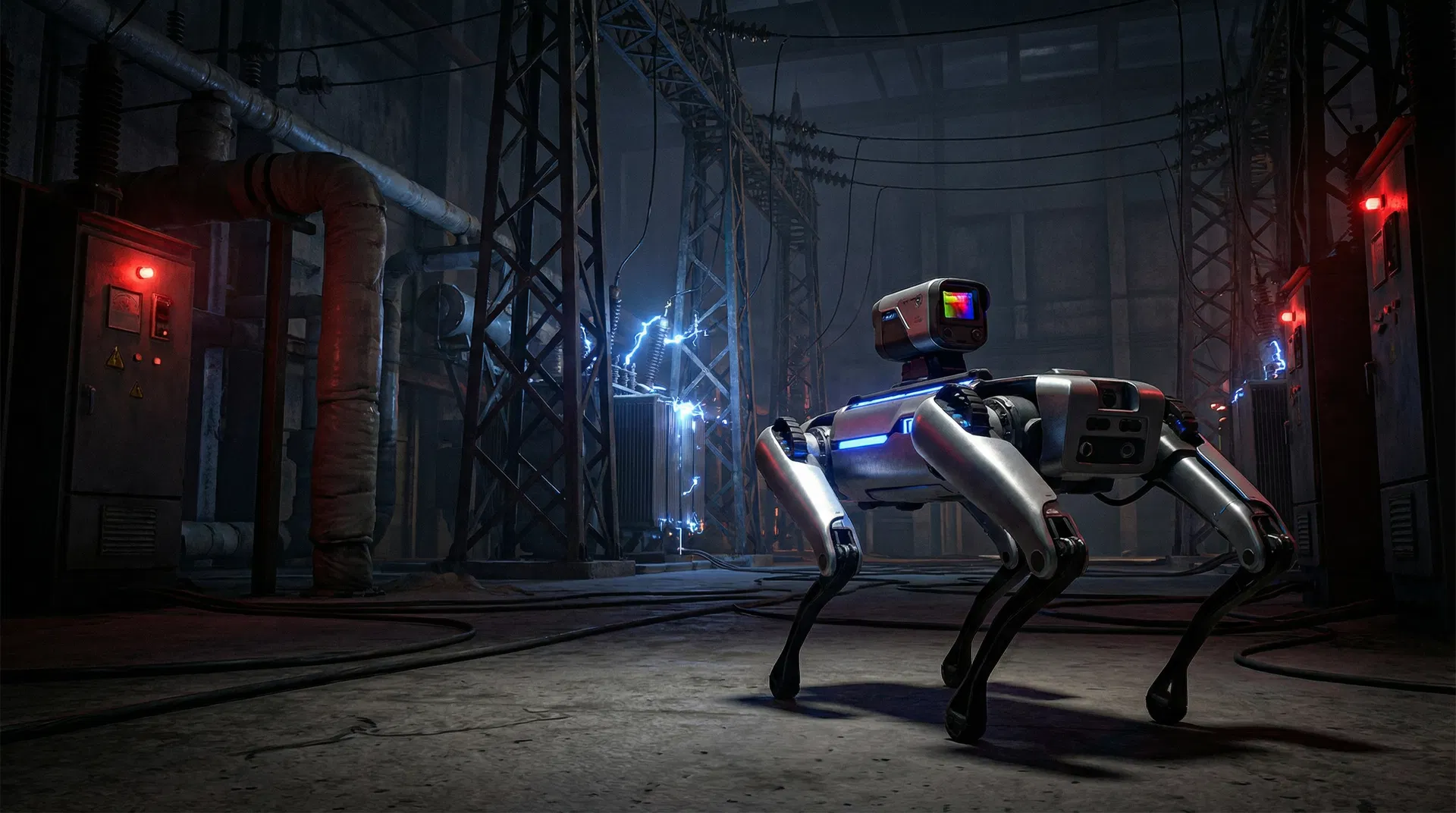
Traction Power Substation Patrol
Regular thermal and visual inspection of traction power substations, rectifier equipment, and distribution switchgear. Identifies overheating components, insulation failures, and physical damage before they cause power supply interruptions affecting train operations.
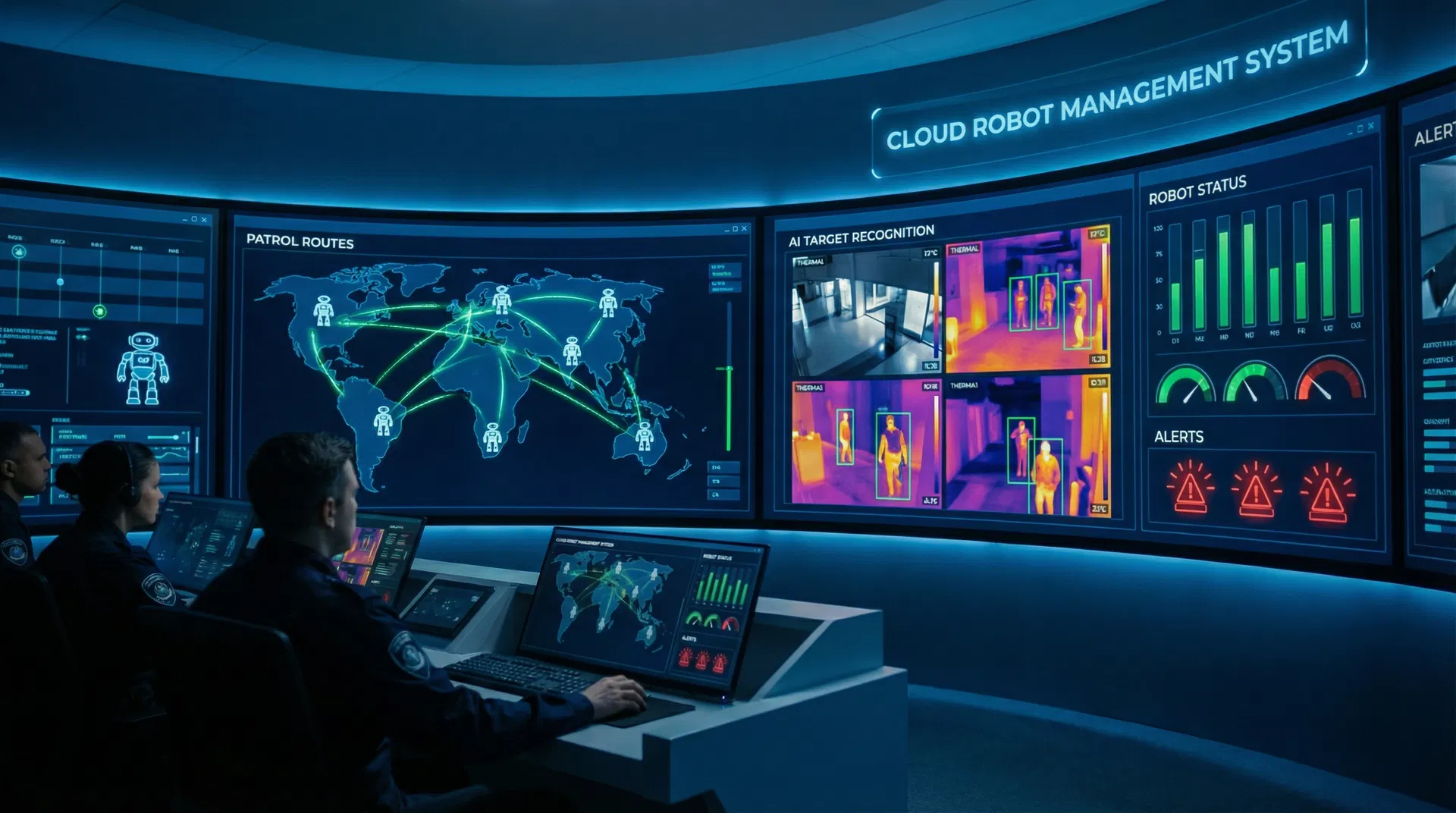
Rolling Stock Depot Security
After-hours security patrol of rolling stock depots and maintenance facilities. Combines perimeter security with infrastructure inspection — detecting unauthorized access, vandalism, and equipment anomalies while generating structured inspection records for compliance purposes.
Trackside Infrastructure Monitoring
Inspection of trackside signals, point machines, level crossing equipment, and communication infrastructure. Visual and thermal inspection identifies physical damage, connection failures, and equipment anomalies that could affect train control systems.
Complete Rail Transit Inspection System
| Component | Role | Key Specifications |
|---|---|---|
| TongChui M1 / RZTL-1 | Primary Inspection Platform | IP67, -20°C to 55°C, 30 kg payload, 29 km range, GPS-denied SLAM navigation |
| High-Resolution Vision System | Track & Infrastructure Inspection | 4K cameras, AI defect detection, geo-referenced defect logging, severity classification |
| Thermal Imaging Module | Electrical Equipment Monitoring | IR camera, AI hotspot detection, equipment-level location tagging, trend analysis |
| LiDAR SLAM Navigation | GPS-Denied Tunnel Navigation | 3D mapping, sub-10 cm positioning, dynamic obstacle avoidance, multi-zone routing |
| Communication Test Module | Trackside Comms Inspection | Leaky coax signal testing, antenna inspection, connection integrity checking |
| Maintenance Management Integration | Work Order & Scheduling | Defect prioritization, CMMS integration, maintenance window optimization, compliance reporting |
Maximize Your Maintenance Window
Our rail transit inspection specialists will design a deployment plan that maximizes inspection coverage within your available maintenance windows and meets your regulatory reporting requirements.
Common Questions About Rail Transit Tunnel Inspection Robot Solutions
Answers to the most common questions from procurement managers, system integrators, and engineering teams evaluating our robotic platforms.
Rail tunnel inspection robots use SLAM-based autonomous navigation to traverse tunnel environments without GPS. They inspect track geometry, overhead catenary systems, tunnel lining, drainage systems, and signaling equipment using thermal cameras, LiDAR, and visual inspection systems.
Rail tunnel inspection robots are typically deployed during maintenance windows (night closures or weekend possessions) when trains are not running. Their autonomous operation allows them to complete comprehensive inspections of long tunnel sections during short maintenance windows that would be insufficient for human inspection teams.
Rail tunnel inspection robots detect cracks and spalling in tunnel lining, water ingress and drainage blockages, catenary wire wear and tension anomalies, track geometry deviations, signaling equipment faults, and unauthorized objects or personnel in restricted tunnel areas.
Inspection robots typically walk alongside the tracks on the tunnel floor, maintaining a safe distance from the rail and electrified equipment. This allows inspection of both the track infrastructure and tunnel walls/ceiling without requiring track access authorization or specialized rail-mounted equipment.
Rail tunnel inspection robots are designed with compact dimensions to navigate the confined spaces typical of urban metro tunnels. The Tongchui M1’s low-profile stance and adjustable height allow it to operate in tunnels with restricted clearances while maintaining full inspection capability.
Still have questions?
Our application engineers are available to answer technical questions, discuss deployment requirements, and provide custom quotations.
Talk to an EngineerRelated Resources
Average response time: within 24 hours on business days