Mining Inspection
Robot Solutions
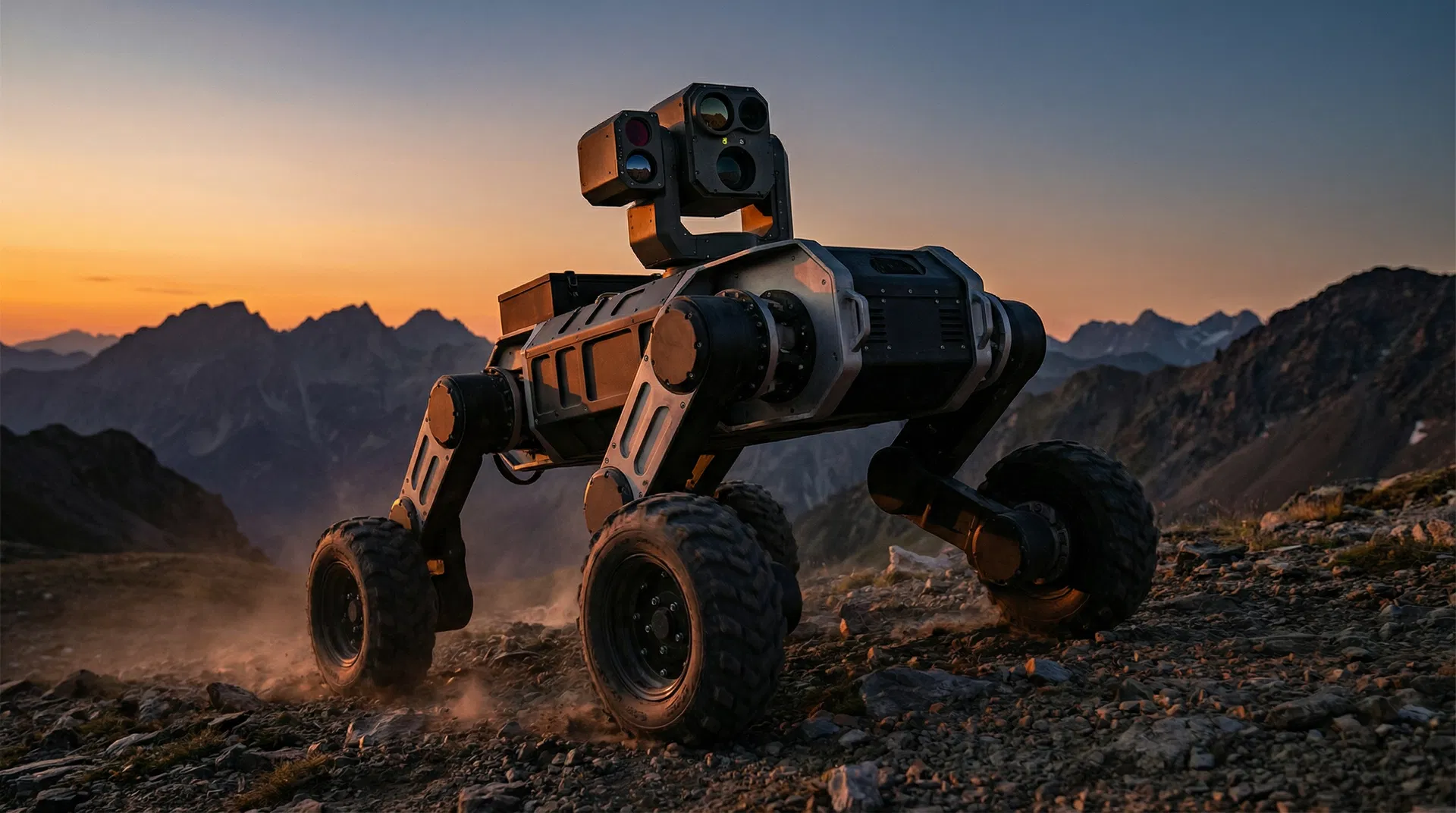
Autonomous inspection robots for underground mines, open-pit operations, and metals processing facilities — GPS-denied SLAM navigation, continuous gas monitoring, and hazardous area certification.
Why Mining Inspection Needs Robots
Extreme Hazard Exposure
Underground mines present multiple simultaneous hazards: toxic and flammable gases (methane, CO, H₂S), dust explosion risk, unstable ground conditions, and limited egress. Manual inspection exposes personnel to these hazards on every shift.
GPS-Denied Navigation
Underground mine environments are completely GPS-denied. Traditional autonomous systems that rely on GPS cannot operate below ground. Inspection robots must navigate using onboard SLAM and LiDAR technology.
Harsh Environmental Conditions
Mining environments combine high dust concentrations, water ingress, temperature extremes, and vibration that rapidly degrade conventional electronics. Industrial-grade IP67+ protection is the minimum requirement.
Continuous Monitoring Requirement
Gas concentrations, ventilation effectiveness, and structural conditions in mines can change rapidly. Periodic manual inspection is insufficient — continuous autonomous monitoring is required for adequate safety assurance.
Mining-Specific Inspection Capabilities
Multi-Gas Continuous Monitoring
Real-time detection of methane (CH₄), carbon monoxide (CO), hydrogen sulfide (H₂S), oxygen deficiency, and LEL combustible gases throughout the mine workings. Automatic alert escalation when gas concentrations approach dangerous thresholds.
Underground SLAM Navigation
LiDAR-based 3D SLAM enables fully autonomous navigation in GPS-denied underground environments. The robot builds and maintains accurate 3D maps of mine workings, enabling reliable autonomous patrol without external positioning infrastructure.
Equipment Thermal Monitoring
Thermal imaging of conveyor systems, motors, electrical switchgear, and hydraulic equipment identifies overheating components before they cause fires or production stoppages. Particularly critical for underground conveyor belt fire prevention.
Structural Condition Assessment
AI vision systems detect roof support condition, rock fall accumulation, water ingress, and structural damage in tunnels and stopes. Early detection of deteriorating ground conditions enables proactive ground control interventions.
Ventilation System Verification
Automated inspection of ventilation infrastructure — fans, regulators, stoppings, and overcasts — verifies that ventilation systems are operating correctly and that air quality standards are maintained throughout the mine.
Remote Tele-Operation
When autonomous navigation is not possible (newly developed areas, post-blast inspection), the robot can be remotely operated by surface personnel via 4G/Wi-Fi link, keeping operators out of hazardous areas during high-risk inspection tasks.
Mining Deployment Scenarios
Underground Hard Rock Mining
Autonomous patrol of development headings, production stopes, and haulage drifts. Gas monitoring, ground condition assessment, and equipment inspection without personnel exposure to underground hazards.
Coal Mine Safety Inspection
Continuous methane monitoring, conveyor thermal inspection, and ventilation verification in underground coal mines. Intrinsically safe robot configurations available for gassy mine environments.
Open-Pit & Surface Operations
Inspection of crusher facilities, conveyor systems, processing plants, and tailings infrastructure. IP67-rated robots handle dust, water, and outdoor temperature extremes in surface mining environments.
Mining Industry Case Studies
Real-world deployments demonstrating measurable safety and efficiency improvements in mining operations.
Underground Coal Mine: 68% Reduction in Gas Inspection Personnel Exposure
A major coal mining operator deployed four RZTL-1 units across two underground longwall sections to replace manual gas monitoring rounds. The robots conduct continuous CH₄, CO, and H₂S patrols on a 45-minute cycle, transmitting real-time data to surface control via a leaky-feeder communications network.
Open-Pit Copper Mine: Conveyor & Equipment Inspection Cycle Cut from 8h to 90min
A copper mining and processing operation integrated TongChui M1 platforms into their daily equipment inspection workflow, covering 4.2 km of overland conveyor systems, crusher stations, and flotation cell areas.
Mining Inspection FAQs
Common Questions About Mining Inspection Robots
Answers to the most common questions from procurement managers, system integrators, and engineering teams evaluating our robotic platforms.
Yes. Our quadruped inspection robots use LiDAR-based SLAM navigation that operates entirely without GPS, making them suitable for underground mine environments. The robots build 3D maps of mine workings on first deployment and navigate autonomously on subsequent missions. IP67 protection and dust-sealed electronics ensure reliable operation in underground conditions.
Our gas detection payload detects methane (CH₄), carbon monoxide (CO), hydrogen sulfide (H₂S), nitrogen dioxide (NO₂), sulfur dioxide (SO₂), oxygen deficiency, and LEL combustible gases. Multi-gas arrays provide comprehensive hazardous atmosphere monitoring. Intrinsically safe sensor configurations are available for gassy mine environments.
ATEX and IECEx certified configurations are available for deployment in explosive atmospheres including gassy mines. Intrinsically safe robot platforms meet the requirements for Zone 1 and Zone 2 hazardous areas. Contact our team to discuss certification requirements for your specific mine classification.
Our quadruped (four-legged) robots are specifically designed for rough terrain navigation. They can traverse uneven rock surfaces, step over obstacles, climb slopes up to 45°, and navigate areas inaccessible to wheeled robots. The legged locomotion system adapts to the variable terrain conditions typical of mine workings.
Yes. Post-blast inspection is one of the highest-value applications for mining robots — keeping personnel out of hazardous areas immediately after blasting while the robot assesses gas concentrations, structural conditions, and blast effectiveness. The robot can be remotely operated by surface personnel via 4G/Wi-Fi link for newly developed areas where autonomous navigation maps are not yet available.
Still have questions?
Our application engineers are available to answer technical questions, discuss deployment requirements, and provide custom quotations.
Talk to an EngineerRelated Resources
Average response time: within 24 hours on business days
Ready to Improve Mine Safety with Robotics?
Discuss your mine inspection requirements with our applications engineering team. We provide site-specific deployment planning, ATEX certification guidance, and ROI modeling at no charge.