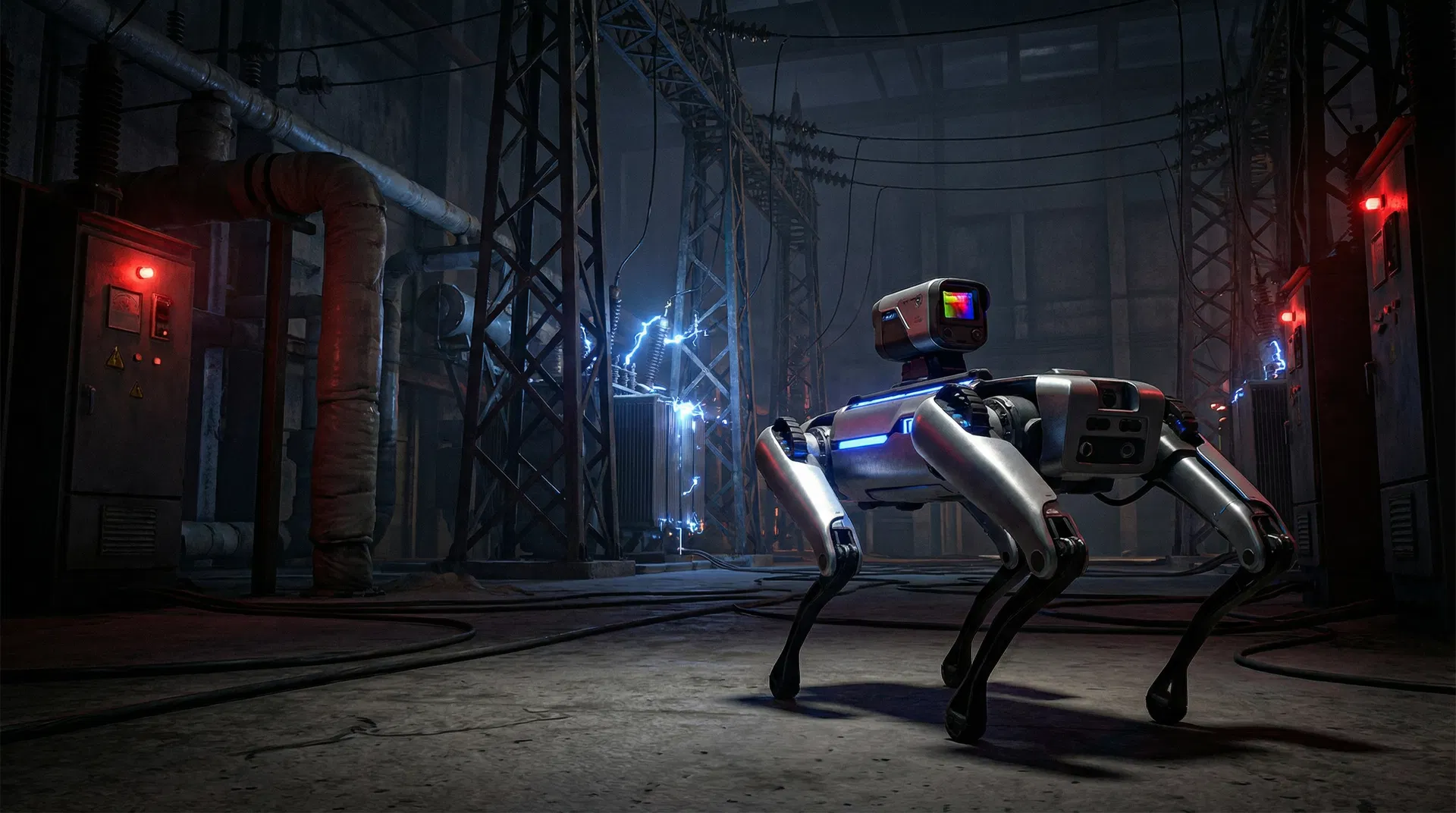
Autonomous Inspection for
Power Substations
& Transmission Infrastructure
Continuous thermal monitoring, instrument reading, and perimeter security for high-voltage substations and transmission infrastructure. Detect developing faults before they cause forced outages — without exposing personnel to high-voltage hazards.
The Inspection Challenge in Power Infrastructure
Power substations and transmission infrastructure require frequent, comprehensive inspection — but high-voltage hazards, weather exposure, and staffing constraints make manual inspection costly and incomplete.
High-Voltage Safety Risk
Manual inspection in high-voltage substations requires strict safety protocols, minimum approach distances, and two-person teams — adding significant time and cost to every inspection task.
Coverage Frequency Limitations
Large substations with hundreds of equipment items cannot be comprehensively inspected on a daily basis by manual teams. Developing faults in under-inspected equipment go undetected until they cause forced outages.
Night & Adverse Weather Gaps
Manual inspection quality and frequency drops significantly during night shifts and adverse weather — precisely the conditions when thermal anomalies are most detectable and when storm damage assessment is most urgent.
Thermal Fault Detection Latency
Thermal anomalies in transformers and switchgear develop over days or weeks before visible symptoms appear. Manual inspection with handheld thermal cameras is too infrequent to catch faults in the early, correctable stage.
Comprehensive Power Infrastructure Inspection
High-Voltage Equipment Thermal Inspection
Infrared imaging inspects transformers, circuit breakers, disconnectors, and bus bars for thermal anomalies indicating insulation degradation, loose connections, or overloading. AI analysis distinguishes normal operating temperatures from fault signatures.
Instrument & Indicator Reading
AI vision automatically reads oil level gauges, SF₆ pressure indicators, load meters, and protection relay status. Readings are compared against normal ranges and deviations are flagged immediately — eliminating manual data transcription errors.
Perimeter & Security Patrol
Continuous perimeter patrol of substation yards detects unauthorized access, physical damage to fencing, and foreign object intrusion near live equipment. AI behavioral recognition identifies suspicious activity and triggers immediate alerts.
Partial Discharge Detection
Acoustic and ultrasonic sensors detect partial discharge events in high-voltage equipment — an early indicator of insulation failure that precedes catastrophic breakdown. Early detection enables planned maintenance before forced outage.
All-Weather Outdoor Operation
IP67 protection and -20°C to 55°C operating range ensure continuous inspection coverage in rain, snow, fog, and extreme temperatures. The robot operates on schedule regardless of weather conditions that would prevent manual inspection.
Emergency Response Integration
Integrates with substation SCADA and protection systems. When a protection relay operates or an alarm is triggered, the robot can be dispatched immediately to the affected bay for visual confirmation — reducing operator response time.
Where Our Robots Operate
High-Voltage Switchyard Patrol
Regular patrol of 110 kV–500 kV switchyard equipment — transformers, circuit breakers, disconnectors, and bus bars. Thermal imaging and visual inspection identify developing faults before they cause forced outages, with all findings geo-referenced to equipment location.
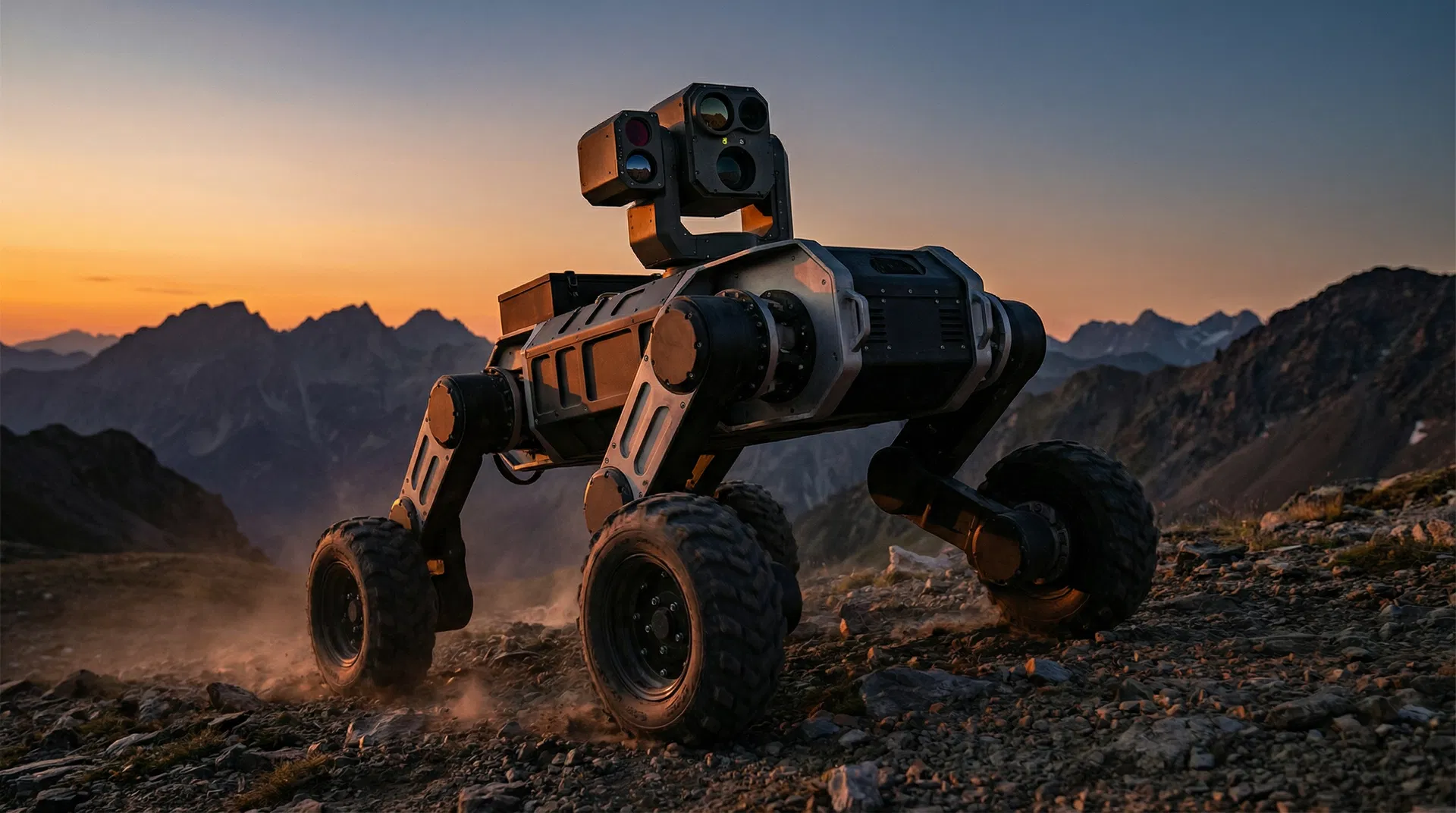
Indoor GIS Substation Inspection
Inspection of indoor GIS (Gas-Insulated Switchgear) substations — compact, high-value installations where manual inspection is constrained by space and access restrictions. The robot’s compact form factor and precise navigation enable thorough inspection of all equipment bays.
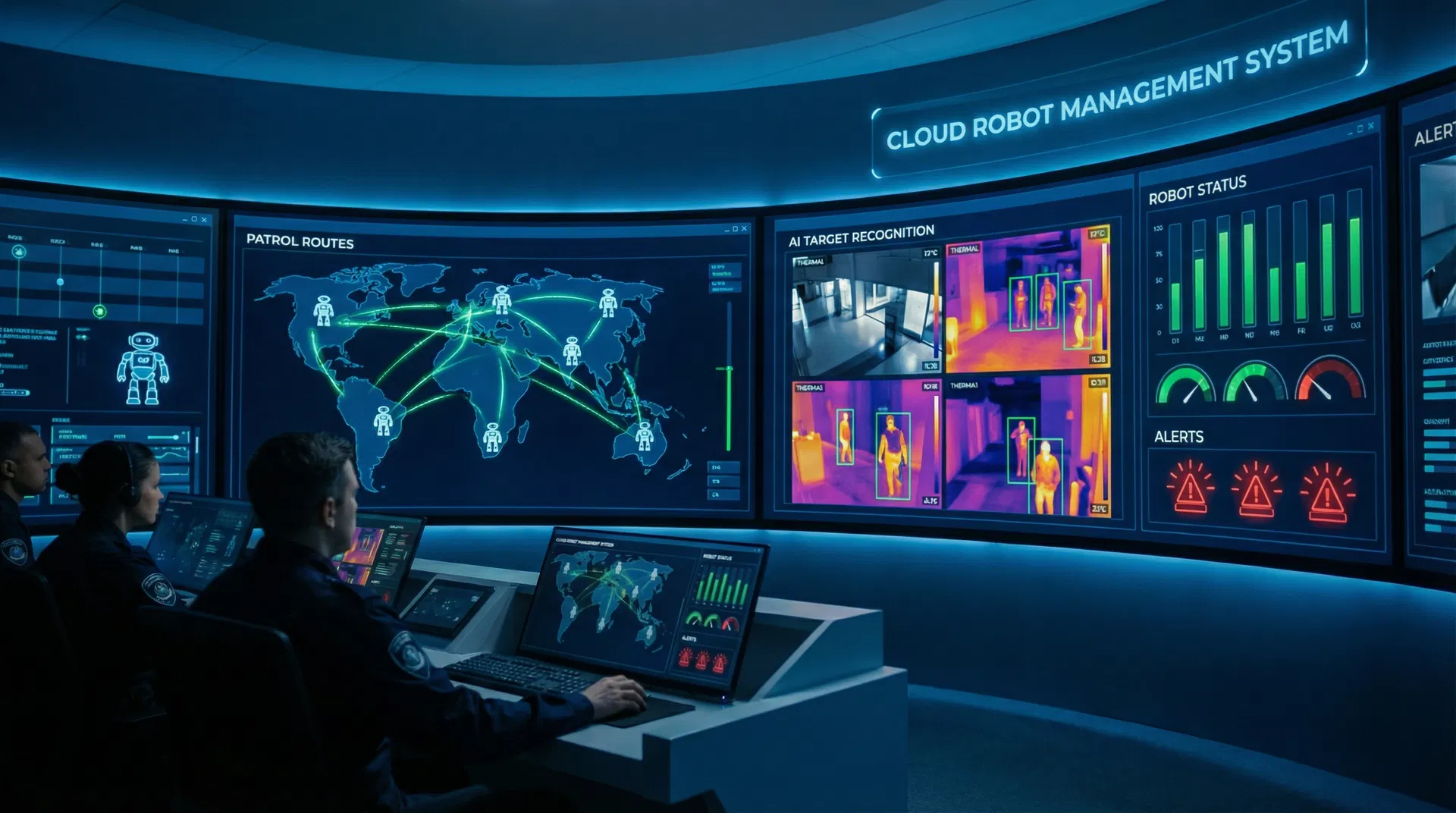
Transmission Line Tower Patrol
Ground-level patrol of transmission line corridors inspecting tower foundations, anchor bolts, anti-theft devices, and vegetation encroachment. Thermal imaging identifies conductor joint anomalies and insulator contamination from ground level.
Night & Storm Damage Assessment
Post-storm damage assessment and night patrol — critical inspection tasks that are dangerous or impractical for manual teams. The robot provides immediate visual confirmation of equipment status after severe weather events, enabling rapid restoration planning.
Complete Power Substation Inspection System
| Component | Role | Key Specifications |
|---|---|---|
| TongChui M1 / RZTL-1 | Primary Inspection Platform | IP67, -20°C to 55°C, 30 kg payload, 45° slope, 29 km range, all-weather operation |
| Thermal Imaging System | Equipment Fault Detection | High-res IR camera, AI thermal anomaly classification, equipment-level geo-referencing |
| AI Vision Inspection Module | Instrument & Status Reading | Gauge reading, indicator status, physical inspection, defect classification |
| Partial Discharge Sensor | Insulation Health Monitoring | Acoustic/ultrasonic PD detection, severity classification, trending analysis |
| LiDAR SLAM Navigation | Autonomous Outdoor Navigation | GPS + SLAM fusion, 3D mapping, obstacle avoidance, multi-zone patrol routing |
| SCADA/EMS Integration | Grid Management Integration | Real-time alarm response, protection relay event dispatch, inspection data to SCADA |
Protect Your Grid Reliability
Our power infrastructure inspection specialists will design a deployment plan matched to your substation layout, voltage levels, and inspection frequency requirements.
Common Questions About Power Substation Inspection Robot Solutions
Answers to the most common questions from procurement managers, system integrators, and engineering teams evaluating our robotic platforms.
Power substations contain high-voltage equipment (up to 500 kV) that creates significant safety risks for human inspectors. Robots eliminate electrocution and arc flash risks while enabling daily inspection schedules that improve fault detection rates and reduce unplanned outages — each of which can cost utilities millions of dollars.
Substation inspection robots perform thermal imaging of transformers, switchgear, and cable connections; partial discharge detection; SF6 gas leak detection; oil level monitoring; meter and indicator reading; and visual inspection of structural components. They can also perform night inspections with infrared cameras.
Substation inspection robots are designed with EMI-hardened electronics and shielded communication systems to operate reliably in the strong electromagnetic fields present around high-voltage equipment. Communication uses encrypted Wi-Fi or 4G/5G with redundant fallback protocols.
Power utilities typically achieve ROI within 12–18 months. Key value drivers include: elimination of 2–3 FTE inspection labor positions, earlier detection of thermal anomalies preventing transformer failures (average cost: $1–5M per incident), and elimination of human exposure to high-voltage hazards reducing liability.
The Tongchui M1 (IP67) is designed for outdoor substation operation in rain, snow, dust, and temperatures from -20°C to 50°C. It can perform inspections in conditions that would prevent or delay human inspection, ensuring consistent inspection frequency regardless of weather.
Still have questions?
Our application engineers are available to answer technical questions, discuss deployment requirements, and provide custom quotations.
Talk to an EngineerRelated Resources
Average response time: within 24 hours on business days