IP67-Rated Robots Enable Safe Inspection in Explosive-Atmosphere Refinery
Hazardous Atmospheres, Uneven Terrain, and Continuous Inspection Requirements
A large petrochemical processing facility in northwest China operates a complex of distillation units, storage tanks, pipeline networks, and auxiliary infrastructure spanning approximately 1.8 km². Significant portions of the facility are classified as Zone 1 or Zone 2 explosive atmospheres under national standards, where the presence of flammable gases and vapors creates substantial risk for human inspectors.
The facility’s existing inspection protocol required two manual inspection rounds per day, with inspectors carrying portable gas detectors, thermal cameras, and inspection checklists through the processing area. Beyond the inherent safety risks, the manual approach had two critical limitations: inspection frequency was constrained by the physical endurance of inspection teams, and the uneven terrain between processing units — with pipe bridges, drainage channels, and equipment foundations — made it difficult for conventional wheeled inspection vehicles to access all required inspection points.
The facility’s HSE management team identified that a significant proportion of near-miss incidents involved inspectors working in high-risk zones during adverse weather conditions, particularly during the extreme cold of northwest China winters (-25°C) and summer heat (+42°C). The organization needed a robotic inspection solution capable of operating across the full temperature range, navigating complex terrain, and detecting gas leaks and thermal anomalies with sufficient speed to enable rapid response.
“Our inspectors were doing their jobs professionally, but we were asking them to walk through explosive-atmosphere zones twice a day, every day. The ZSM-1’s IP67 rating and operating temperature range meant we could finally remove people from that risk equation without compromising inspection coverage.”
— HSE Director, Petrochemical Processing Facility
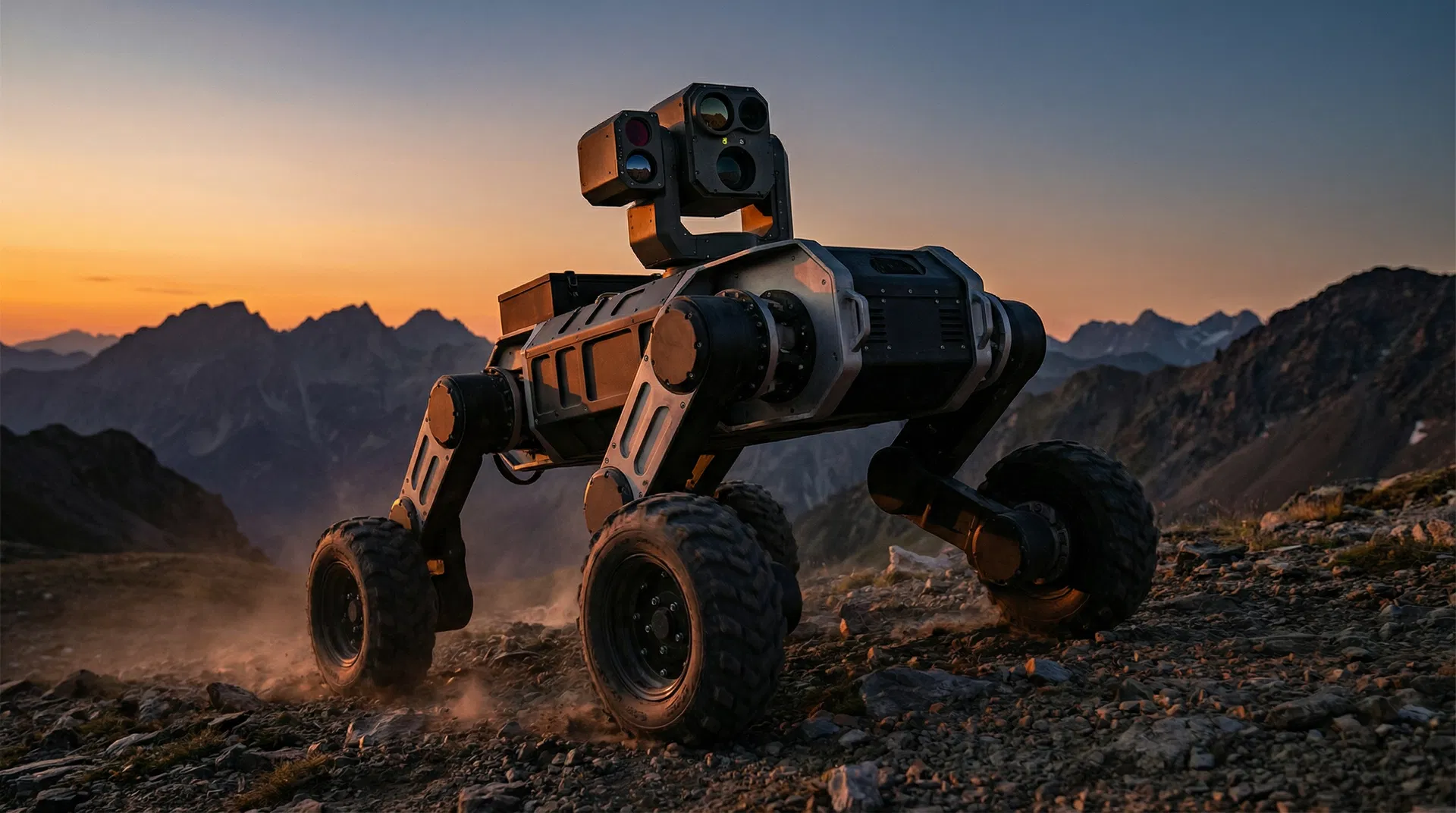
ZSM-1 Wheel-Legged Platform: IP67 Protection, All-Terrain Mobility, 25 kg Payload
The ZSM-1 large wheel-legged hybrid robot was selected as the primary platform based on three critical requirements: IP67 protection rating for operation in wet, corrosive, and potentially submersed conditions; a -20°C to 50°C operating temperature range covering the facility’s full seasonal extremes; and a 25 kg payload capacity to support the multi-sensor inspection payload required for comprehensive hazard detection.
The inspection payload was configured with a dual-spectrum (visible + thermal infrared) pan-tilt camera system for equipment temperature monitoring and visual inspection, supplemented by a multi-gas detection module capable of identifying methane, hydrogen sulfide, carbon monoxide, and oxygen deficiency. The ZSM-1’s wheel-leg switching capability proved particularly valuable in the refinery environment: wheeled mode (8+ m/s) was used for transit between processing units, while legged mode provided stable navigation over pipe bridges, drainage channels, and uneven equipment foundations.
Three ZSM-1 units were deployed to provide complete coverage of the 1.8 km² processing zone, with patrol routes designed to cover all critical inspection points across four daily rounds. The Shaanxi Smart Innovation Future Technology Cloud Management Platform integrated gas sensor data, thermal imaging feeds, and visual inspection footage into a unified real-time monitoring dashboard, with AI-powered anomaly detection configured to generate immediate alerts for gas concentration exceedances and thermal anomalies.
Zero Safety Incidents, Faster Detection, and Reduced Human Exposure
In the 12 months following full deployment, the facility recorded zero safety incidents related to inspection activities in hazardous zones — a significant improvement from the previous year, which had included two near-miss incidents involving inspectors in explosive-atmosphere areas. The removal of routine human inspection from Zone 1 and Zone 2 areas was identified as the primary contributing factor.
Inspection frequency increased from two manual rounds per day to four autonomous rounds, with the ability to trigger additional targeted inspections following process upsets or weather events. During the deployment period, the gas detection system identified seven instances of above-threshold gas concentrations — five from minor flange seal degradation and two from drainage system issues — all within 30 seconds of the robot passing the affected area. In each case, maintenance teams were dispatched before concentrations reached alarm levels, preventing potential escalation.
The ZSM-1’s all-terrain capability enabled inspection of 23 equipment positions that had been classified as “difficult access” under the manual inspection protocol, including elevated pipe bridge sections and equipment foundations with restricted clearance. These positions are now included in every patrol route, providing inspection coverage that was previously only achieved during scheduled maintenance shutdowns.
Deployment Summary
Platform Used

Get a Free Consultation
Discuss how our robots can replicate these results in your facility. No commitment required.
Oil & Gas Inspection Solution
Discover how our ATEX-ready quadruped robots deliver continuous gas detection, thermal imaging, and autonomous patrol across explosive-atmosphere petrochemical and refinery environments.
Related Case Studies
 Firefighting
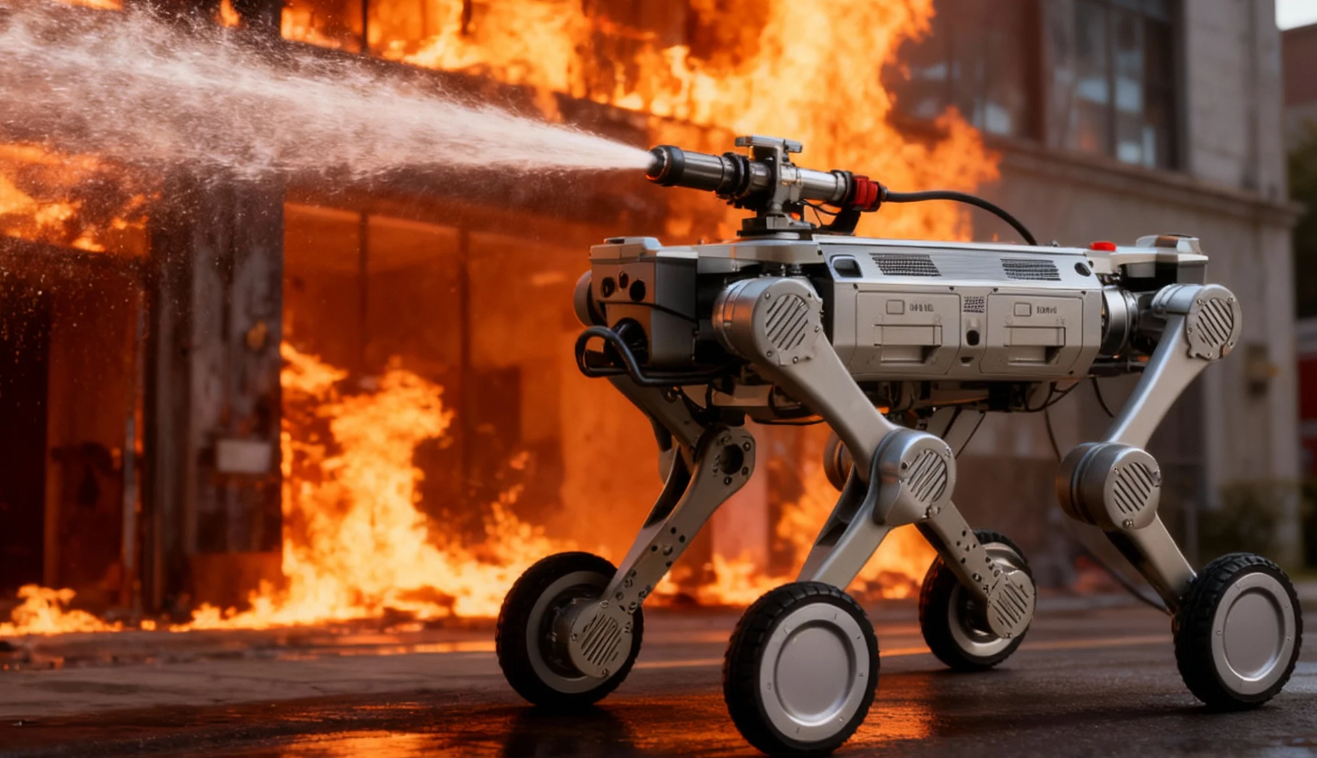
RZTM-1 Firefighting Robot Deployed at Petrochemical Emergency Response
A petrochemical facility’s emergency response team integrated RZTM-1 robots for first-response fire suppression, enabling safe entry into environments exceeding 200°C.
Chemical PlantMiddle East Petrochemical Refinery LDAR Program Cuts Emission Events by 54%
A major Middle East petrochemical refinery deployed robots for continuous Leak Detection and Repair (LDAR) monitoring, achieving regulatory compliance and significant emission reductions.
 Chemical Plant
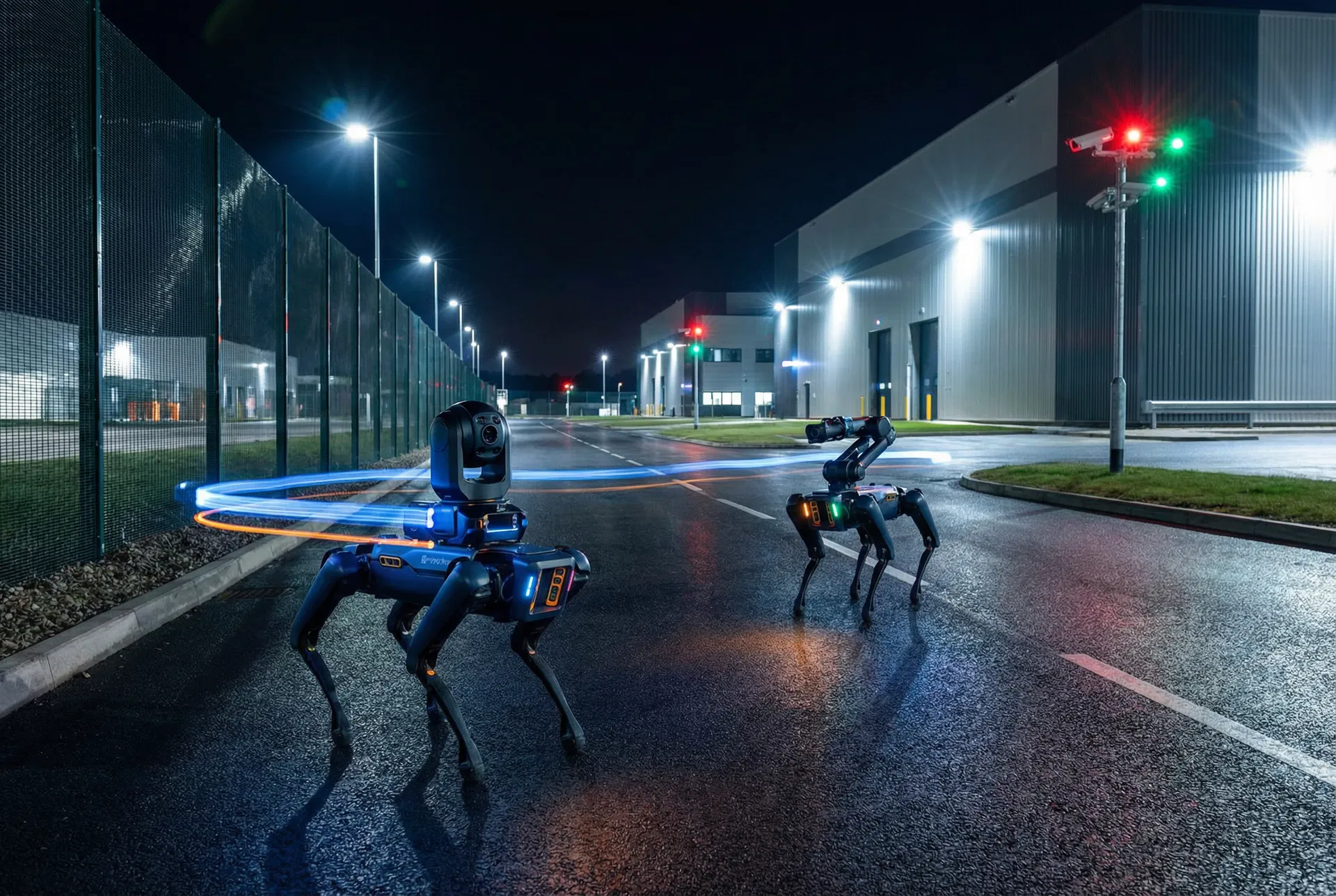
East Asia Chemical Plant Night Patrol Automation Reduces Labour Costs by 40%
A fine chemicals manufacturer automated overnight patrol and safety monitoring across a 0.8 km² production campus, replacing 6 night-shift security and inspection personnel.