Water Utility
Inspection Robots
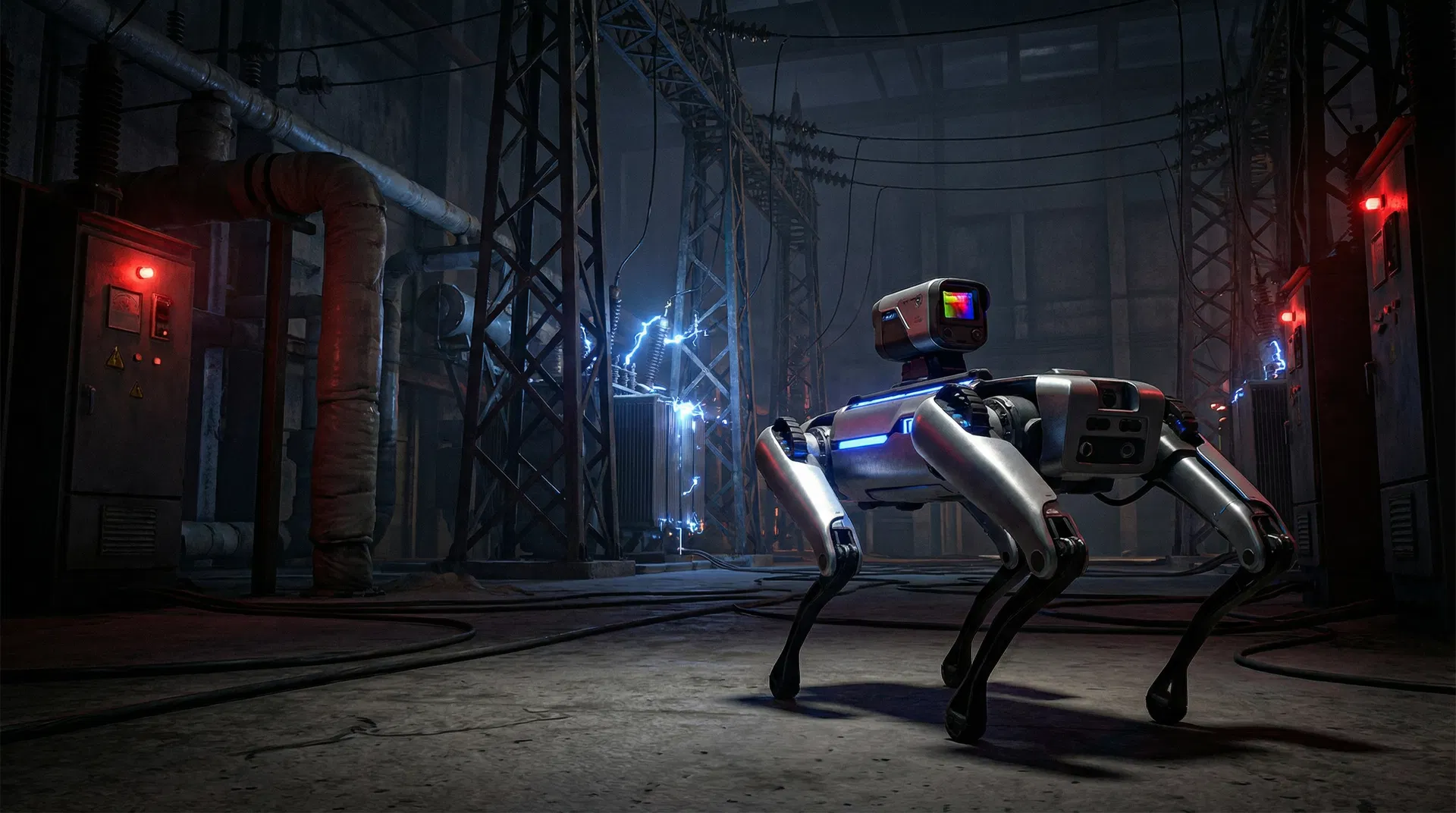
Autonomous inspection robots for water treatment plants, sewage treatment facilities, pump stations, and municipal infrastructure — eliminating confined space entry hazards and reducing inspection labor costs.
Water Utility Inspection Challenges
Confined Space Gas Hazards
Water and sewage treatment facilities contain numerous confined spaces where toxic gases (H₂S, methane, CO) accumulate. Sending personnel into these spaces requires extensive permit-to-work procedures, PPE, and standby rescue teams — creating significant operational burden.
Wet & Corrosive Environments
Water treatment facilities combine high humidity, chemical dosing, and direct water exposure that rapidly corrodes conventional electronics. Inspection equipment must be rated for continuous operation in wet, chemically aggressive environments.
Large, Distributed Infrastructure
Water utilities operate large networks of treatment plants, pump stations, reservoirs, and distribution infrastructure spread across wide geographic areas. Manual inspection of all assets on adequate frequency is resource-intensive and often impractical.
Aging Infrastructure Risk
Much of the world’s water infrastructure is aging, with increasing risk of equipment failure, structural deterioration, and service disruption. Early detection of developing faults is critical to maintaining service reliability and avoiding costly emergency repairs.
Water Utility Inspection Capabilities
Confined Space Gas Monitoring
Continuous monitoring for H₂S, methane, CO, and oxygen deficiency in pump stations, wet wells, digesters, and confined process areas. The robot enters and monitors these spaces autonomously, eliminating the need for personnel confined space entry for routine inspection.
Pump & Motor Thermal Inspection
Thermal imaging of pumps, motors, blowers, and electrical equipment identifies overheating components before they cause failures. Bearing temperature trends, motor winding hot spots, and electrical connection issues are detected weeks before failure.
Structural & Equipment Condition
AI vision systems detect corrosion, cracking, water ingress, and structural deterioration in tanks, channels, pipework, and civil structures. Early identification of deteriorating conditions enables planned maintenance before structural integrity is compromised.
Process Instrument Monitoring
Automated reading of flow meters, level gauges, pressure indicators, and process instruments during patrol. Deviations from expected readings trigger alerts and are logged for process control, regulatory reporting, and asset management.
Security & Perimeter Patrol
Water infrastructure is classified as critical national infrastructure in most jurisdictions. Autonomous security patrol detects unauthorized access, perimeter breaches, and suspicious activity — providing continuous security coverage without dedicated security personnel.
Regulatory Compliance Reporting
Automated inspection reports with timestamped data and photographic evidence support regulatory compliance requirements for water utility operators. Audit-ready documentation reduces the administrative burden of compliance reporting.
Deployment Environments
Water Treatment Plants
- ›Filtration and clarification systems
- ›Chemical dosing equipment
- ›Electrical switchgear and MCC rooms
- ›Sludge handling equipment
- ›UV disinfection systems
Sewage Treatment Facilities
- ›Primary and secondary treatment
- ›Anaerobic digesters (H₂S monitoring)
- ›Pump stations and wet wells
- ›Dewatering equipment
- ›Biogas handling systems
Pump Stations & Reservoirs
- ›Submersible and surface pumps
- ›Valve chambers and manifolds
- ›Reservoir structural inspection
- ›Telemetry and control equipment
- ›Access security monitoring
Water Utility Case Studies
Real deployments in water treatment, reservoir management, and sewage infrastructure demonstrating safety and cost improvements.
Municipal Water Treatment Plant: Confined Space Incidents Eliminated Over 24 Months
A Southeast Asian municipal water authority deployed RZTL-1 units to replace manual confined space entry inspections of sedimentation tanks, filter galleries, and pump station wet wells, recording zero incidents over 24 months.
Reservoir Dam Inspection: 18km Perimeter Patrol Automated, SGD 480k Annual Saving
A regional water board deployed TongChui M1 platforms to automate daily dam crest and embankment inspection patrols across three major reservoirs, replacing a 12-person weekly inspection team.
Water Utility Inspection FAQs
Common Questions About Water Utility Inspection Robots
Answers to the most common questions from procurement managers, system integrators, and engineering teams evaluating our robotic platforms.
Yes. This is one of the highest-value applications for water utility inspection robots. The robot autonomously enters pump stations, wet wells, valve chambers, and other confined spaces to monitor gas concentrations and equipment condition — eliminating the need for personnel confined space entry for routine inspection. This significantly reduces the permit-to-work burden and eliminates personnel exposure to confined space gas hazards.
Our robots are rated to IP67 for dust and water ingress protection, enabling continuous operation in the high-humidity, wet environments typical of water treatment facilities. Electronics are sealed against water ingress, and materials are selected for corrosion resistance in chemically aggressive environments. Regular maintenance schedules are provided to ensure long-term reliability.
Yes. H₂S detection is a standard capability of our gas detection payload. The robot continuously monitors H₂S concentrations in sewage treatment facilities, digesters, pump stations, and wet wells — providing early warning of dangerous concentrations before personnel enter these areas. Multi-gas arrays also detect methane, CO, and oxygen deficiency simultaneously.
The robot uses LiDAR-based SLAM navigation to build and maintain 3D maps of the facility. Large sites can be mapped in sections, and the robot navigates autonomously between inspection points following pre-programmed patrol routes. Multiple robots can be deployed for large sites, all managed from a single cloud inspection platform.
Yes. The cloud inspection platform provides API-based data export to SCADA, CMMS, and asset management systems. Inspection findings, equipment readings, and anomaly alerts can be automatically exported to your existing operational technology systems, eliminating manual data entry and ensuring inspection data is integrated with your operational workflow.
Still have questions?
Our application engineers are available to answer technical questions, discuss deployment requirements, and provide custom quotations.
Talk to an EngineerRelated Resources
Average response time: within 24 hours on business days
Modernize Your Water Infrastructure Inspection
Eliminate confined space entry hazards, reduce inspection labor costs, and improve asset reliability with autonomous inspection robots designed for water utility environments.