Chemical Plant Night Patrol Automation Reduces Labour Costs by 40%
Rising Labour Costs and Safety Gaps in Overnight Chemical Plant Operations
A fine chemicals manufacturer operating a 0.8 km² production campus in East Asia faced a dual challenge: rising night-shift labour costs and persistent safety monitoring gaps during overnight operations. The facility required continuous patrol and monitoring across production buildings, storage areas, and utility infrastructure — but the cost of maintaining a full night-shift patrol team was consuming an increasing share of the facility’s operating budget.
The existing night-shift patrol team of 6 personnel conducted 2 patrol rounds per night, covering the campus perimeter and key internal zones. However, the patrol frequency was insufficient to provide timely detection of gas leaks, equipment anomalies, or unauthorized access events during the 10-hour overnight window. The facility had experienced two minor gas leak incidents in the preceding 18 months that were detected late due to infrequent patrols.
“We needed to patrol more frequently at night, not less — but the cost of additional night-shift staff was prohibitive. The robot gave us 8 patrols per night instead of 2, and it never gets tired or distracted.”
— Operations Director, Fine Chemicals Manufacturer
Autonomous Night Patrol with Multi-Sensor Safety Monitoring
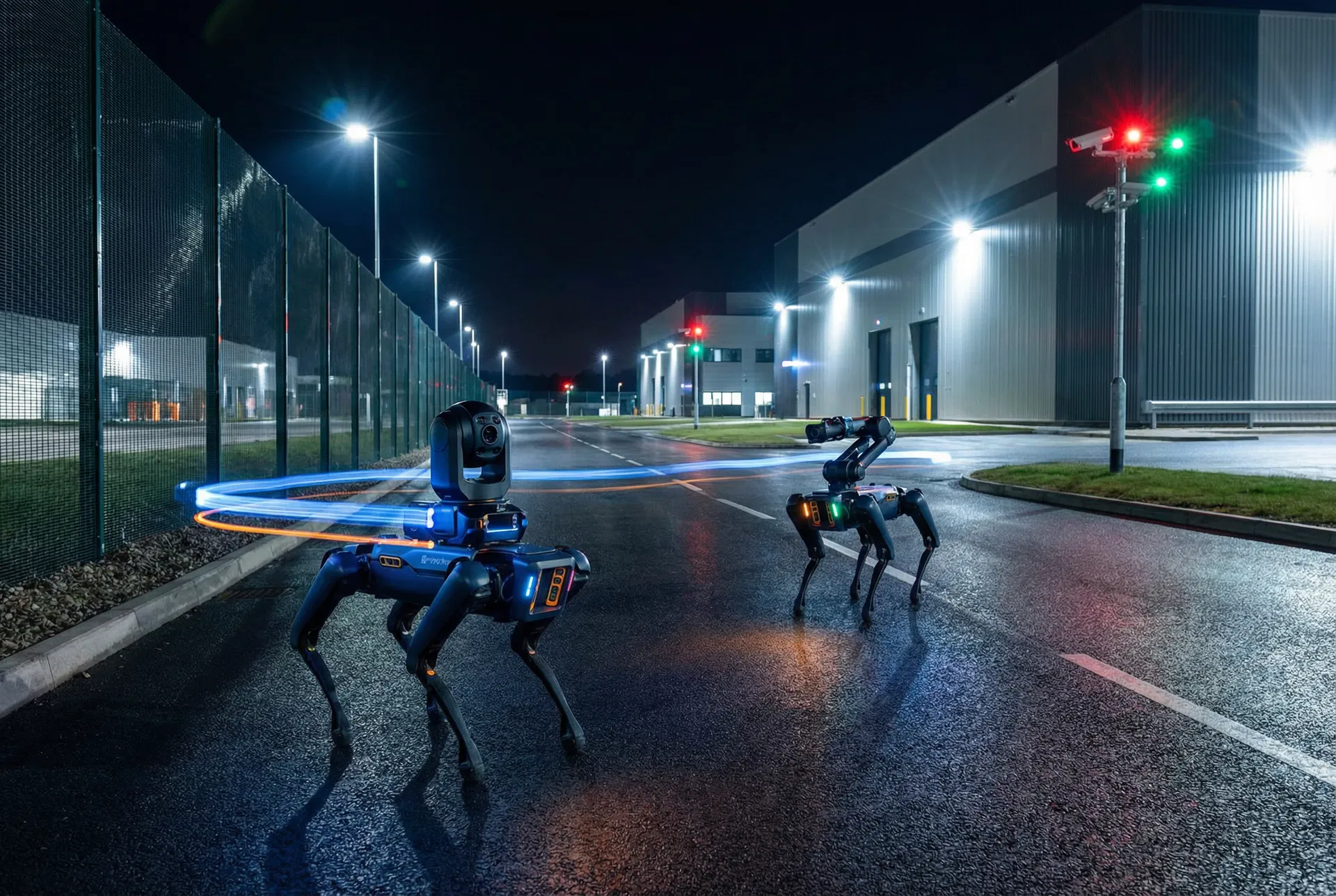
Shaanxi Smart Innovation Future Technology deployed two RZTL-1W quadruped robots equipped with a multi-sensor patrol payload combining visible-light and thermal cameras, gas sensors (HC, H2S), and a two-way audio communication system. The robots were programmed to conduct 8 patrol rounds per night across the full campus, covering all production buildings, storage areas, utility infrastructure, and perimeter zones.
The deployment retained a reduced night-shift team of 2 personnel in the central control room, monitoring the robots’ live feeds and responding to alerts. The robots handled all routine patrol functions autonomously, with human operators intervening only when the AI-powered monitoring system detected anomalies requiring human judgment or physical response.
40% Labour Cost Reduction and 4× Improvement in Patrol Coverage
The deployment reduced night-shift labour costs by 40% through the transition from 6 to 2 overnight personnel, while simultaneously increasing patrol frequency from 2 to 8 rounds per night. The improved coverage frequency resulted in zero gas leak incidents in the 18 months following deployment, compared to two incidents in the preceding 18-month period.
The robots also detected 4 equipment anomalies (overheating pump motors and a leaking valve seal) during overnight patrols that would not have been identified until the following day’s manual inspection, enabling same-night maintenance response and preventing potential escalation.
Deployment Summary
Related Solutions
Related Case Studies
 Oil & Gas
IP67 Quadruped Robots Cut Inspection Labor Costs 58% at Petrochemical Facility
A major petrochemical refinery replaced 6 manual inspection teams with 2 RZTL-1W units, achieving continuous 24/7 gas leak detection and thermal imaging across 3 km of process piping.
 Firefighting
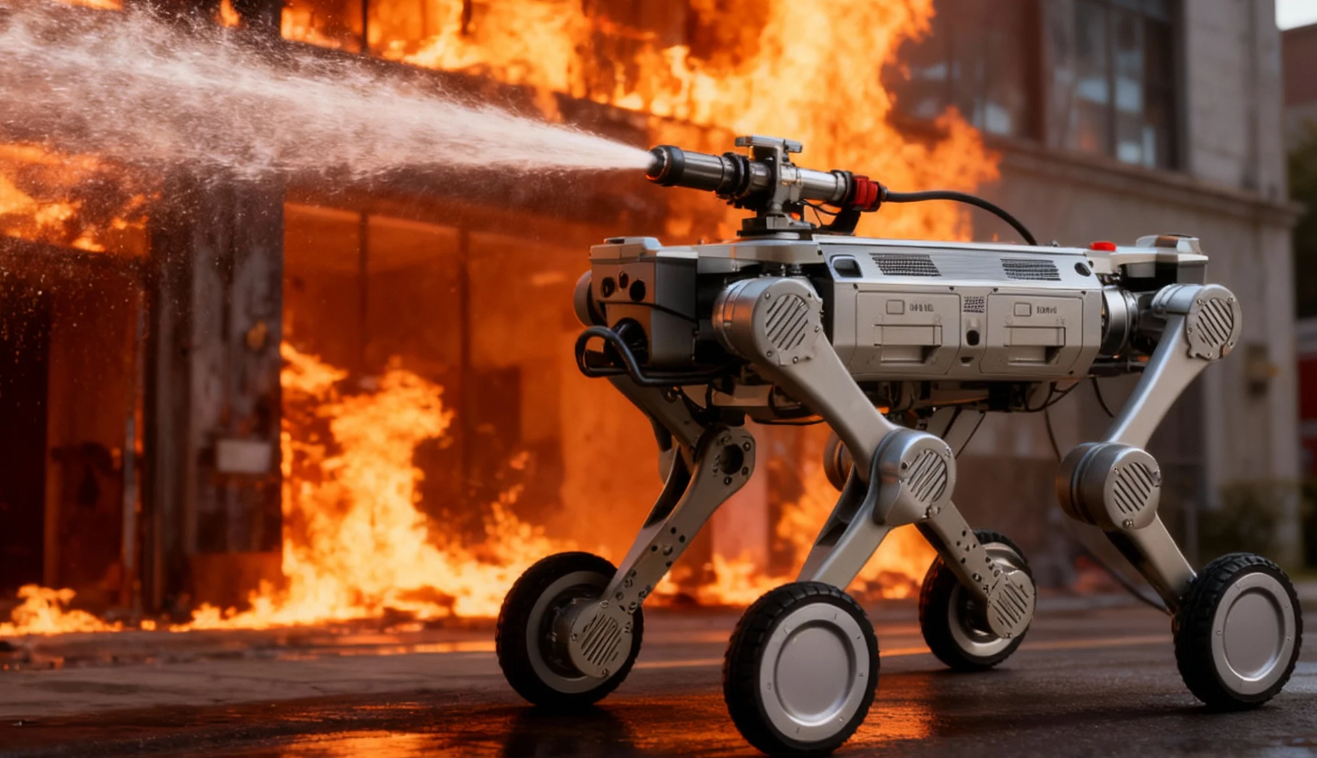
RZTM-1 Firefighting Robot Deployed at Petrochemical Emergency Response
A petrochemical facility’s emergency response team integrated RZTM-1 robots for first-response fire suppression, enabling safe entry into environments exceeding 200°C.
 Chemical Plant
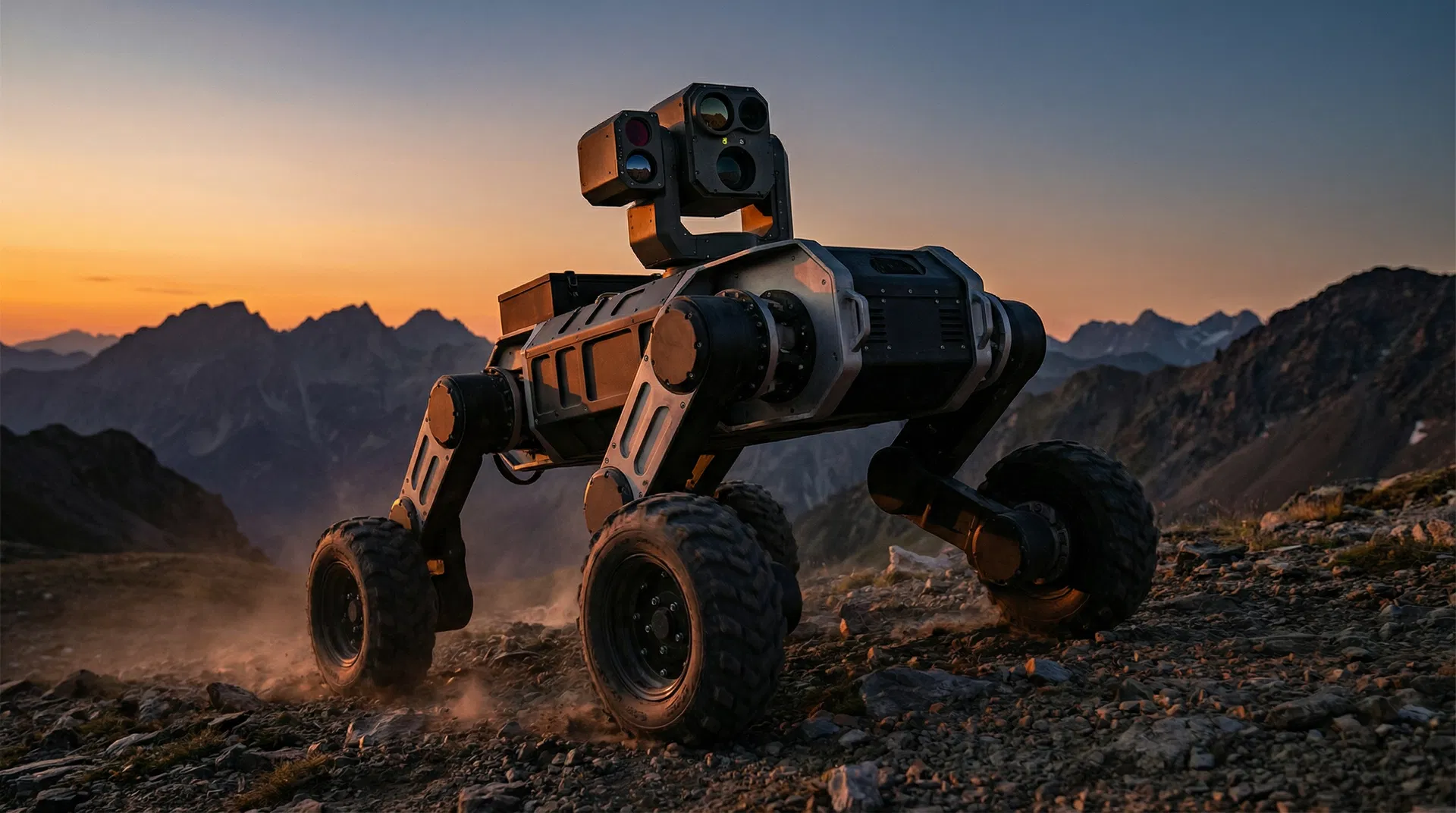
Middle East Petrochemical Refinery LDAR Program Cuts Emission Events by 54%
A major Middle East petrochemical refinery deployed robots for continuous Leak Detection and Repair (LDAR) monitoring, achieving regulatory compliance and significant emission reductions.