Middle East Petrochemical LDAR Program Cuts Emission Events by 54%
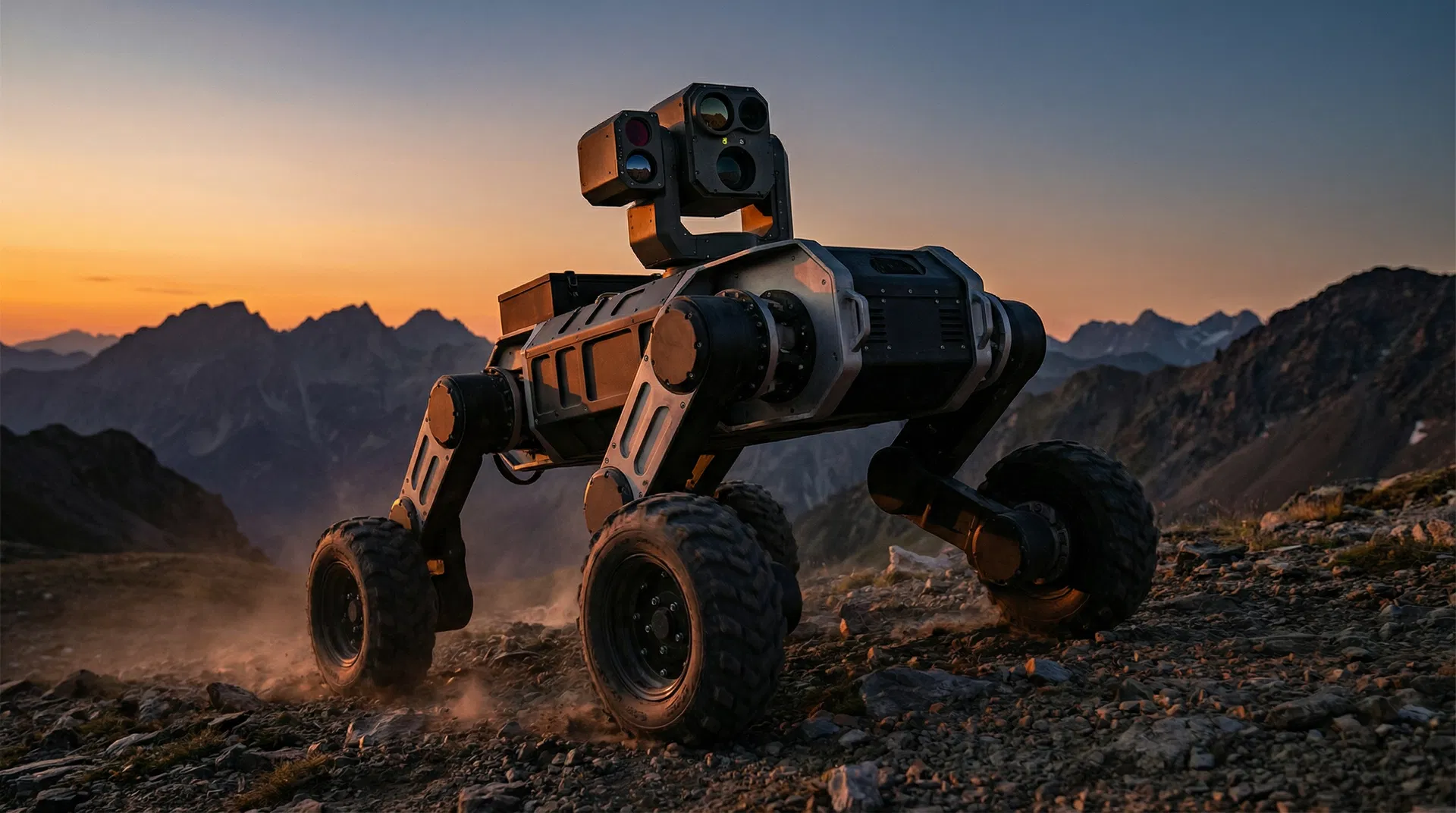
Regulatory LDAR Compliance in a 3.2 km² Explosive-Atmosphere Processing Complex
A major Middle East petrochemical refinery operating a 3.2 km² processing complex faced increasing regulatory pressure to improve its Leak Detection and Repair (LDAR) program. The facility processed over 180,000 barrels per day and contained more than 45,000 potential leak sources across flanges, valves, pumps, and compressor seals — all classified as ATEX explosive atmosphere zones.
The existing LDAR program relied on quarterly manual surveys conducted by specialist inspection teams, supplemented by fixed-point gas detectors at high-risk locations. This approach was insufficient to meet tightening environmental regulations requiring more frequent monitoring, and the quarterly survey cadence meant that developing leaks could go undetected for months before being identified and repaired.
The refinery’s environmental compliance team needed a solution that could dramatically increase LDAR survey frequency without proportionally increasing inspection labor costs — and that could operate safely in ATEX-classified zones without requiring personnel to enter hazardous areas for routine monitoring.
“Moving from quarterly to daily LDAR surveys with human inspectors was not economically viable. The robot gave us the frequency we needed at a fraction of the cost — and it can operate in zones where we wouldn’t send people for routine monitoring.”
— Environmental Compliance Director, Petrochemical Refinery
RZTL-1W with Optical Gas Imaging and Multi-Point Gas Sensor Array
Shaanxi Smart Innovation Future Technology deployed the RZTL-1W quadruped robot equipped with an optical gas imaging (OGI) camera and a multi-point gas sensor array covering hydrocarbon, H2S, and SO2 detection. The robot’s IP67 protection rating and intrinsically safe electronics design allowed operation in ATEX Zone 2 classified areas without requiring hot-work permits or additional safety precautions.
The deployment covered the refinery’s four primary processing units, with the robot conducting four LDAR survey patrols per day — transitioning the facility from quarterly manual surveys to continuous daily monitoring. Each patrol followed a programmed route covering all designated LDAR monitoring points, with the OGI camera providing visual gas cloud detection and the sensor array providing quantitative concentration measurements.
54% Reduction in Reportable Emission Events and Full Regulatory Compliance
Within the first year of deployment, the refinery recorded a 54% reduction in reportable emission events compared to the preceding year. The increased survey frequency allowed the maintenance team to identify and repair developing leaks before they reached reportable thresholds — shifting from reactive compliance to proactive leak prevention.
The facility achieved and maintained 100% compliance with the applicable environmental regulations throughout the deployment period, avoiding regulatory penalties that had been assessed in two of the three preceding years. The continuous monitoring data also provided a comprehensive audit trail for regulatory reporting, significantly reducing the administrative burden on the environmental compliance team.
Deployment Summary
Related Solutions
Discuss Your Project
Contact a SpecialistRelated Case Studies
 Oil & Gas
IP67 Quadruped Robots Cut Inspection Labor Costs 58% at Petrochemical Facility
A major petrochemical refinery replaced 6 manual inspection teams with 2 RZTL-1W units, achieving continuous 24/7 gas leak detection and thermal imaging across 3 km of process piping.
 Firefighting
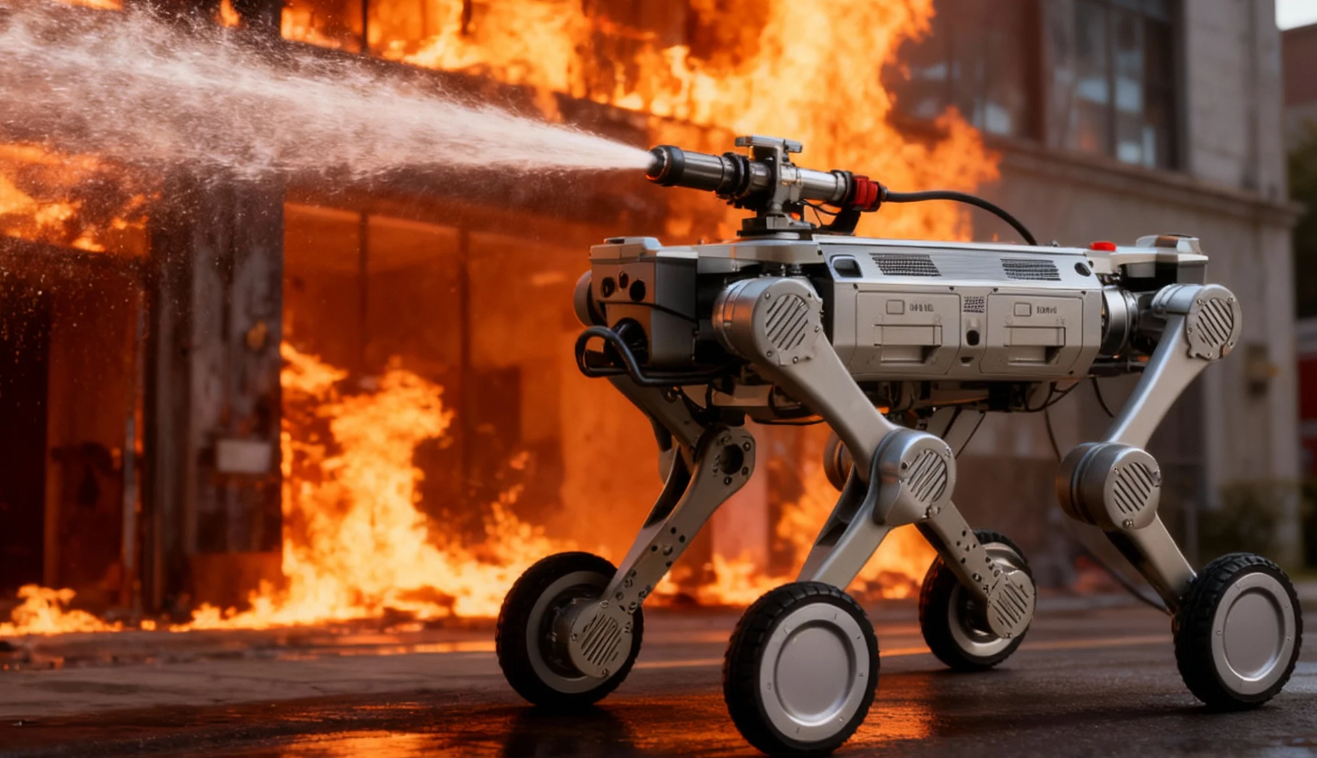
RZTM-1 Firefighting Robot Deployed at Petrochemical Emergency Response
A petrochemical facility’s emergency response team integrated RZTM-1 robots for first-response fire suppression, enabling safe entry into environments exceeding 200°C.
 Chemical Plant
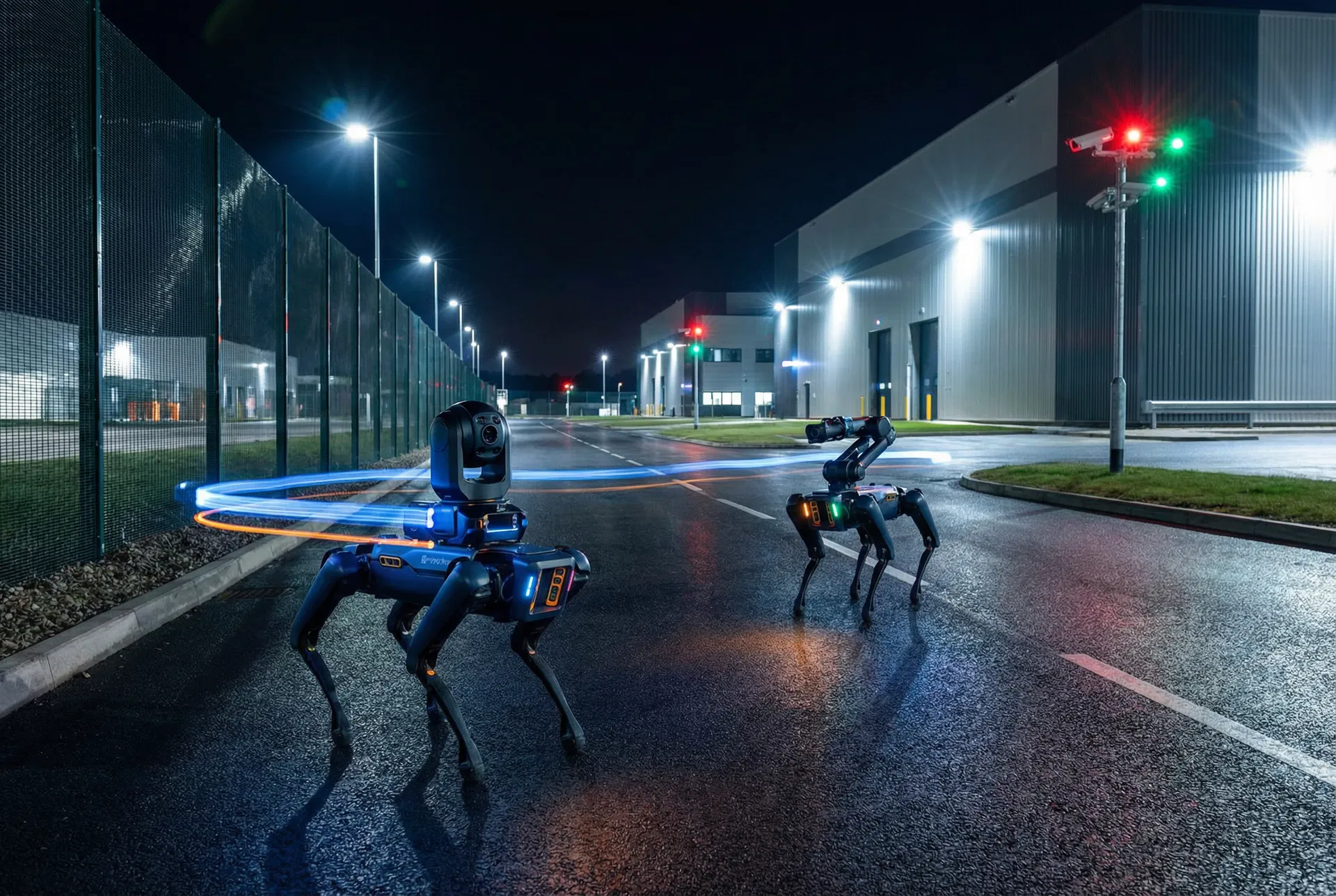
East Asia Chemical Plant Night Patrol Automation Reduces Labour Costs by 40%
A fine chemicals manufacturer automated overnight patrol and safety monitoring across a 0.8 km² production campus, replacing 6 night-shift security and inspection personnel.