Nightly Tunnel & Track Inspection Completed in 40% Less Time with Zero Human Entry
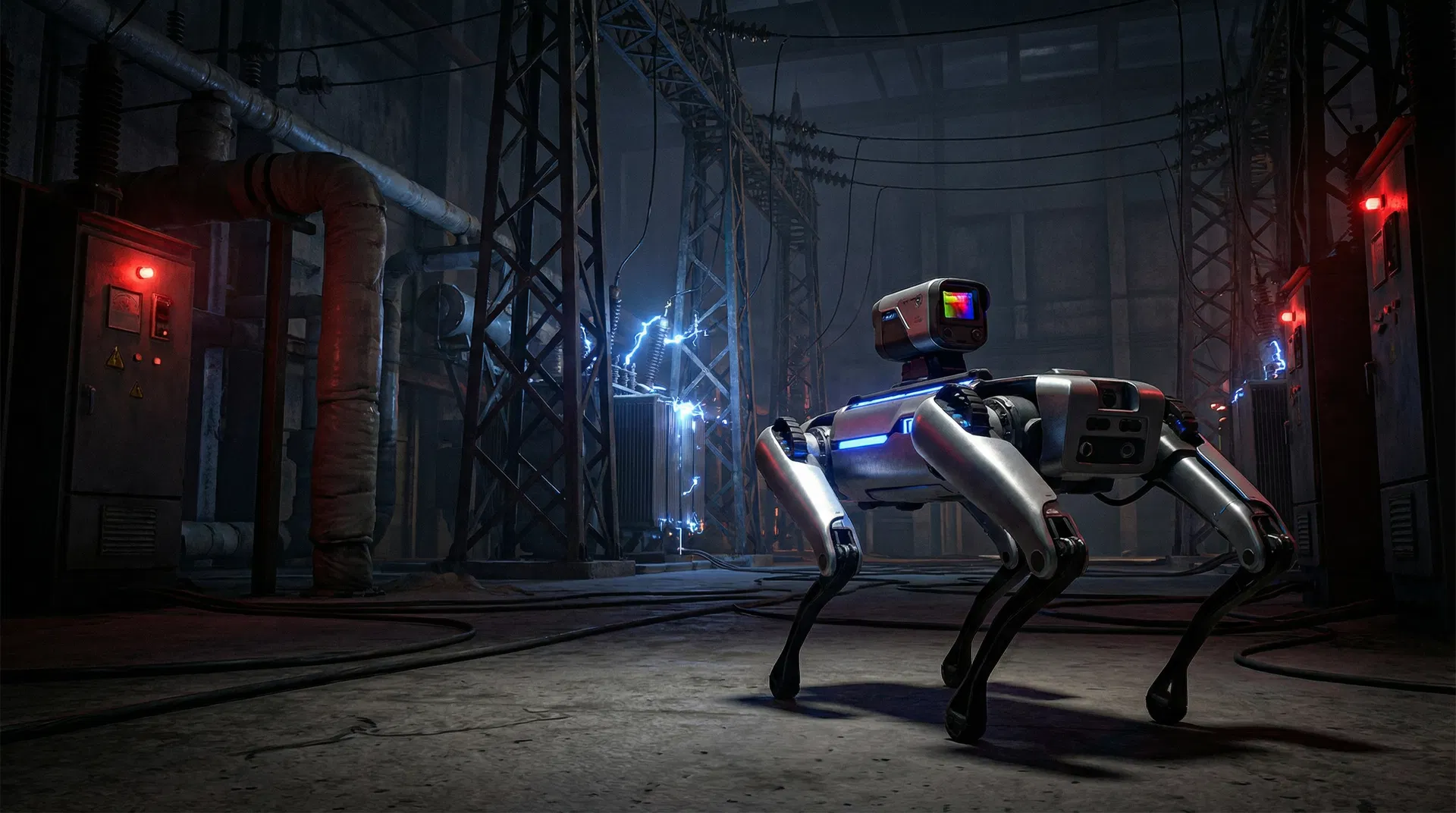
A 90-Minute Maintenance Window, 38 km of Tunnel, and a Workforce Safety Mandate
A major urban metro network in southern China operates four lines totalling 38 km of underground tunnel. Like all urban rail systems, the network relies on a nightly engineering possession window — the period between the last revenue service train and the first train of the following morning — to conduct track geometry checks, overhead line equipment (OLE) inspections, tunnel lining surveys, and drainage assessments. With passenger service running until midnight and resuming at 06:00, the effective maintenance window is approximately 90 minutes per line section per night.
Within this narrow window, the operator’s maintenance teams were responsible for walking inspection routes along live track beds — an environment characterized by residual electromagnetic interference (EMI) from traction power systems, confined spaces with limited ventilation, uneven ballast surfaces, and restricted headroom in certain tunnel sections. National rail safety regulations require all personnel working in tunnel environments to be accompanied by a lookout and to follow strict track-access protocols, further constraining the number of inspection teams that could operate simultaneously.
The operator’s engineering department identified three compounding problems. First, the 90-minute window was insufficient to complete a full structural survey of all critical tunnel sections on a nightly basis, forcing the team to prioritize high-risk segments and inspect others on a rotating schedule — leaving gaps in coverage that increased the risk of undetected early-stage defects. Second, the manual inspection process produced inconsistent data quality: different inspectors applied different thresholds for flagging cracks, water ingress, and deformation, making it difficult to track defect progression over time. Third, the physical demands of repeated late-night tunnel access were contributing to inspector fatigue and elevated staff turnover in the maintenance department.
The operator required a robotic inspection solution capable of operating autonomously within the tunnel environment, navigating track-bed terrain without disrupting rail infrastructure, withstanding EMI from residual traction power, and delivering structured, AI-analyzed inspection data that could be reviewed by engineers remotely — without requiring physical tunnel entry for routine surveys.
“Our inspectors were doing excellent work under very difficult conditions — late nights, confined spaces, tight time windows. The robot deployment wasn’t about replacing their expertise; it was about removing them from an environment where they shouldn’t need to be every single night. Now they review data and respond to flagged anomalies. That’s a much better use of their skills.”
— Chief Infrastructure Engineer, Urban Metro Network Operator
ZSL-1 Configured for Tunnel Operations: EMI-Hardened, Multi-Sensor, Autonomous Waypoint Navigation
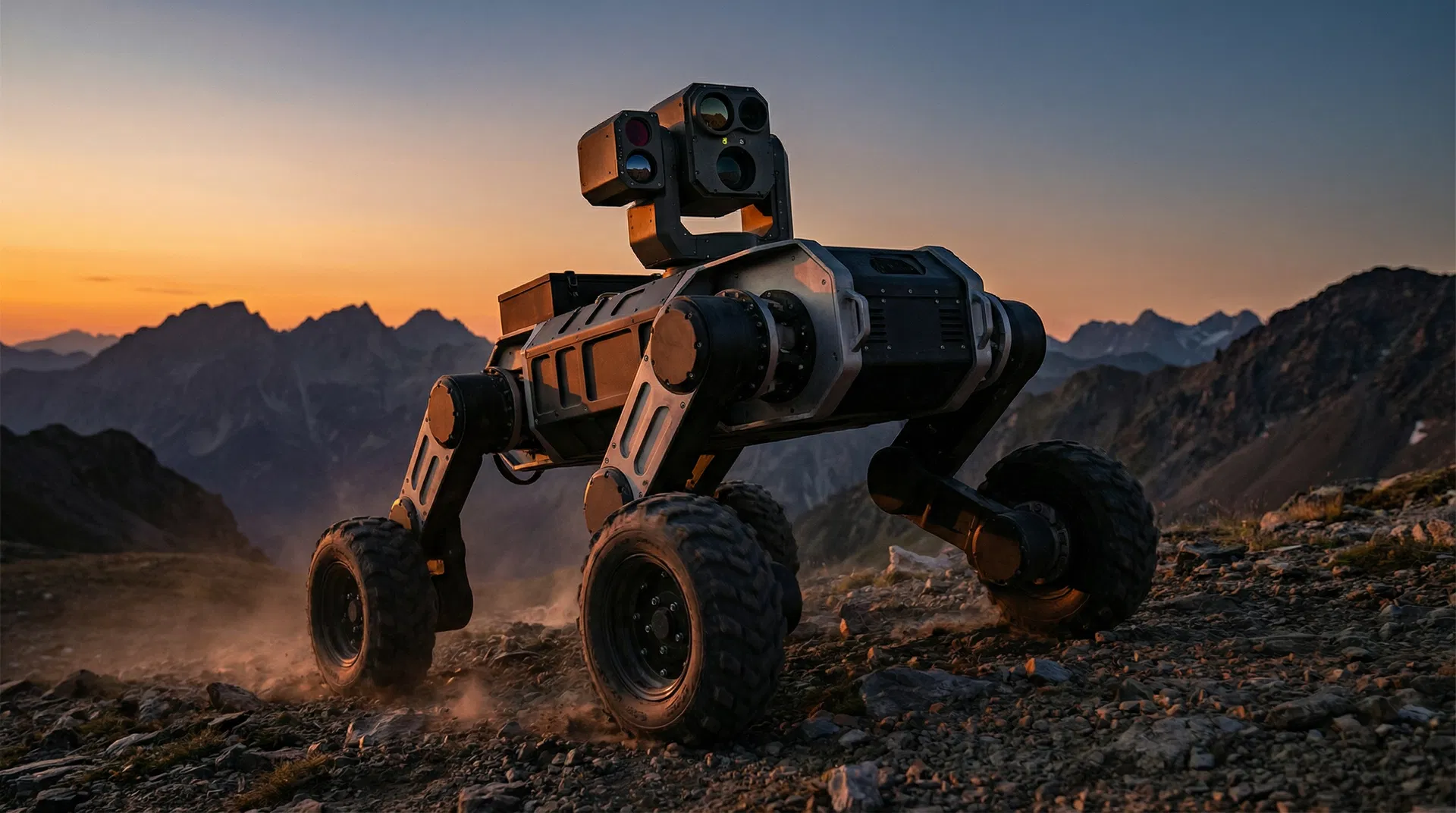
The ZSL-1 compact quadruped robot was selected as the primary platform based on its combination of low profile (standing height 41 cm), precise foot-placement control for navigating ballast and rail-bed surfaces, and IP54 protection rating suitable for the tunnel’s humidity and water ingress conditions. Critically, the ZSL-1’s self-developed actuator system and control architecture were validated for operation in high-EMI environments — a non-negotiable requirement given the residual traction power fields present in metro tunnels during the engineering possession window.
Shaanxi Smart Innovation Future Technology’s engineers designed a custom tunnel inspection payload for the ZSL-1, integrating four primary sensor systems within the platform’s 10 kg payload capacity: a high-resolution structured-light 3D scanning module for tunnel lining crack detection and deformation measurement; a dual-spectrum (visible + thermal) pan-tilt camera for overhead line equipment (OLE) thermal anomaly detection and visual survey; a track geometry measurement module using laser profilometry to assess rail surface wear, gauge deviation, and cross-level; and an environmental sensor array monitoring temperature, humidity, and air quality within the tunnel.
Autonomous waypoint navigation was configured using a pre-mapped tunnel model developed during a dedicated survey phase, with the robot’s onboard LiDAR and visual odometry systems providing real-time localization accurate to ±3 cm within the tunnel environment. The inspection route was programmed to cover the full tunnel cross-section at designated survey stations, with the robot automatically adjusting its gait and speed based on terrain conditions — switching between a stable walking gait on ballast sections and a faster trot on concrete slab track.
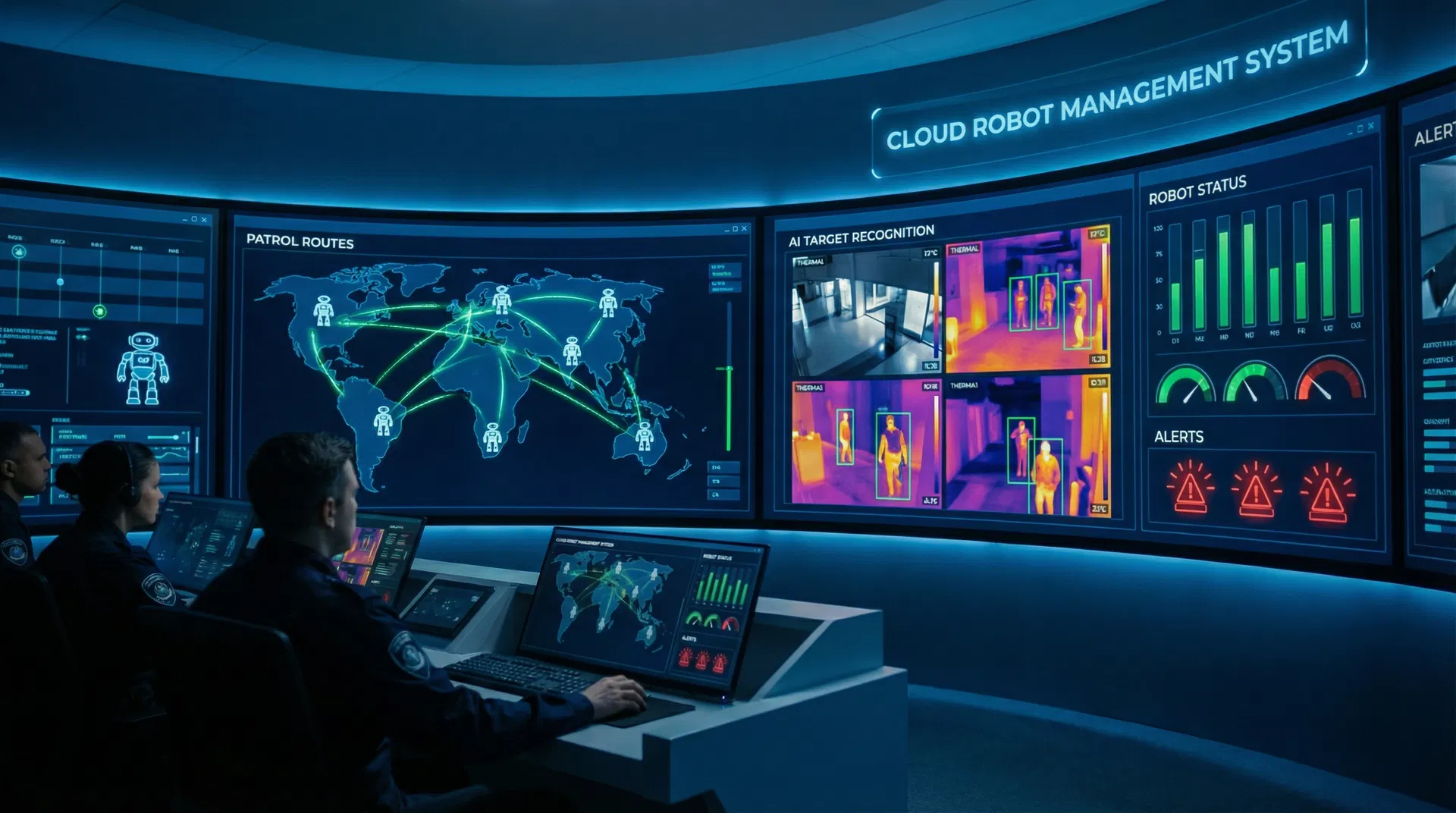
The Shaanxi Smart Innovation Future Technology Cloud Management Platform received all sensor data streams in real time via a dedicated 5G communication link installed along the tunnel, enabling remote monitoring of the inspection in progress from the operator’s control center. AI-powered analysis algorithms processed 3D scan data to automatically classify and geolocate structural defects, generating a prioritized defect report within 15 minutes of inspection completion — available to the engineering team before the first morning service train.
Tunnel Mapping, EMI Validation, and Phased Line-by-Line Rollout
The implementation process began with a four-week tunnel survey and mapping phase, conducted during engineering possession windows with Shaanxi Smart Innovation Future Technology engineers accompanying the operator’s maintenance team. Survey data was used to build a high-fidelity 3D tunnel model for each of the four lines, establishing the baseline geometry against which future inspection scans would be compared for deformation detection. Simultaneously, EMI characterization measurements were taken at representative locations along each line to validate the ZSL-1’s control system performance under actual tunnel electromagnetic conditions.
Following successful EMI validation, the deployment was structured as a phased line-by-line rollout. Line 1 — the oldest and highest-priority line — was the first to receive autonomous inspection, with two ZSL-1 units deployed to cover the line’s 11 km tunnel in a single nightly session. After a six-week pilot period confirming navigation reliability, defect detection performance, and data integration with the operator’s asset management system, the remaining three lines were equipped over a 12-week period.
A key integration milestone was the connection of the Shaanxi Smart Innovation Future Technology Cloud Platform’s defect database with the operator’s existing infrastructure asset management system (IAMS). This integration enabled automatic population of inspection findings into the IAMS work order system, eliminating the manual data entry step that had previously added 2–3 hours to the post-inspection reporting process. Engineers could access geolocated defect records, trend charts, and prioritized maintenance recommendations directly within their existing workflow tools.
Faster Inspections, Higher Coverage, and a Structural Defect Backlog Cleared in 90 Days
The most immediate operational impact was a 40% reduction in the time required to complete a full tunnel inspection pass. Under the manual protocol, a two-person team required approximately 75 minutes to inspect a 1 km tunnel section to the required standard. The ZSL-1 completed the same section in approximately 45 minutes, including structured- light scanning at all designated survey stations — freeing the remaining maintenance window for targeted repair and maintenance activities rather than inspection alone.
The transition to nightly autonomous inspection — compared to the previous rotating schedule that covered each section every three to four nights — enabled the operator to establish a comprehensive structural baseline for the entire 38 km tunnel network within the first 90 days of full deployment. This baseline revealed 47 previously unrecorded structural anomalies across the four lines, including 12 classified as requiring priority maintenance attention. All 12 were addressed within the subsequent maintenance cycle, and the operator’s engineering director noted that three of the anomalies showed deformation progression patterns that would have been difficult to identify without the consistent nightly data series.
The IAMS integration reduced post-inspection reporting time from an average of 2.5 hours per night to approximately 20 minutes — the time required for the duty engineer to review the AI-generated defect summary and approve work orders for flagged items. Over a 12-month period, this represented a saving of approximately 760 engineering hours that were redirected to maintenance planning and technical analysis activities.
From a workforce safety perspective, the deployment eliminated routine human tunnel entry for structural inspection purposes across all four lines. Human inspectors now enter the tunnel only for targeted maintenance interventions on robot-identified defects — a significantly lower-frequency, better-planned activity with reduced exposure risk compared to the previous nightly patrol model.
Engineering the ZSL-1 for Metro Tunnel Conditions
Metro tunnel environments present a distinct set of engineering challenges for robotic inspection platforms that differ significantly from surface industrial deployments. Three challenges required specific engineering solutions during this deployment.
Electromagnetic Interference (EMI): Metro traction power systems generate significant electromagnetic fields that can disrupt sensor data acquisition and communication systems in conventional robotic platforms. The ZSL-1’s self-developed control architecture incorporates EMI shielding at the actuator and sensor interface level, and the platform’s communication system uses frequency-hopping spread spectrum (FHSS) protocols to maintain reliable data transmission in high-interference environments. During the EMI validation phase, the ZSL-1 demonstrated stable navigation and uninterrupted sensor data acquisition at all tested tunnel locations.
Ballast and Rail-Bed Navigation: The irregular surface of ballasted track — with stone aggregate of varying size and depth — presents a challenging terrain for legged robots, requiring precise foot-placement control to avoid ankle-joint overload and maintain stable forward progress. The ZSL-1’s terrain-adaptive gait controller, developed through extensive testing on representative ballast surfaces, demonstrated reliable navigation at inspection speeds without requiring track-bed preparation or the installation of any permanent infrastructure.
GPS-Denied Localization: Underground tunnel environments provide no GPS signal, requiring the robot to rely entirely on onboard localization. The ZSL-1’s combined LiDAR-visual odometry system, initialized against the pre-surveyed 3D tunnel model, maintained localization accuracy of ±3 cm throughout the 38 km tunnel network — sufficient for precise defect geolocation and repeat-pass deformation measurement.
| Inspection Parameter | Manual (Before) | ZSL-1 Autonomous (After) |
|---|---|---|
| Inspection Frequency | Every 3–4 nights per section | Every night (all sections) |
| Time per km | ~75 minutes | ~45 minutes |
| Lining Crack Detection | Visual (subjective threshold) | 3D scan, AI-classified (≥0.2 mm) |
| Track Geometry | Manual gauge measurement | Laser profilometry (continuous) |
| OLE Thermal Check | Handheld thermal camera | Automated pan-tilt thermal scan |
| Report Availability | Next business day | Within 15 min of completion |
| Human Tunnel Exposure | Every night (all inspectors) | Targeted maintenance only |
Deployment Summary
Platform Used
Get a Free Consultation
Discuss how our robots can replicate these results in your facility. No commitment required.
Rail Transit Inspection Solution
Learn how our autonomous inspection system enables safe, efficient tunnel and track inspection without human entry — with GPS-denied navigation, gas detection, and multi-robot fleet coordination.
Related Case Studies
Power & EnergyAutonomous Substation Inspection Reduces Manual Rounds by 85%
A regional grid operator deployed the RZTL-1W across 12 substations, cutting inspection cycles from 4 hours to 45 minutes with real-time thermal anomaly detection.
Data CenterData Center Achieves 99.99% Uptime with Autonomous Thermal Inspection
A Tier-4 data center eliminated unplanned downtime by deploying autonomous robots for continuous thermal monitoring of server racks and cooling infrastructure.
 Electrical
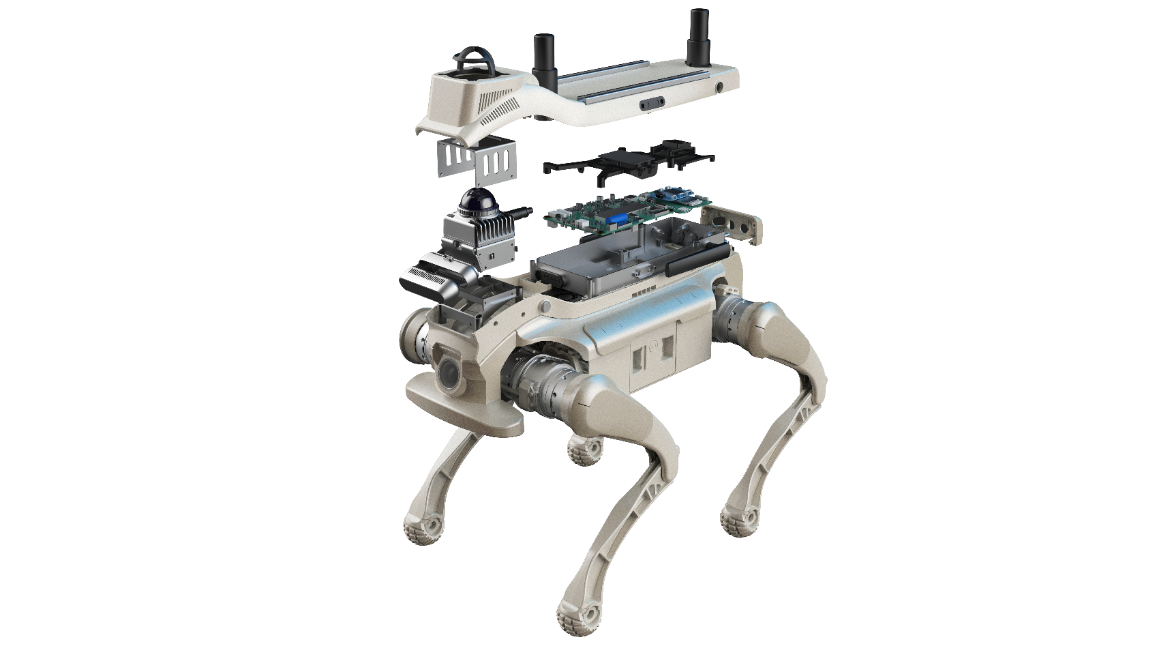
Electrical Room Autonomous Inspection Prevents 3 Critical Failures
A manufacturing plant’s high-voltage electrical rooms were equipped with autonomous inspection robots, detecting thermal anomalies 72 hours before potential transformer failures.