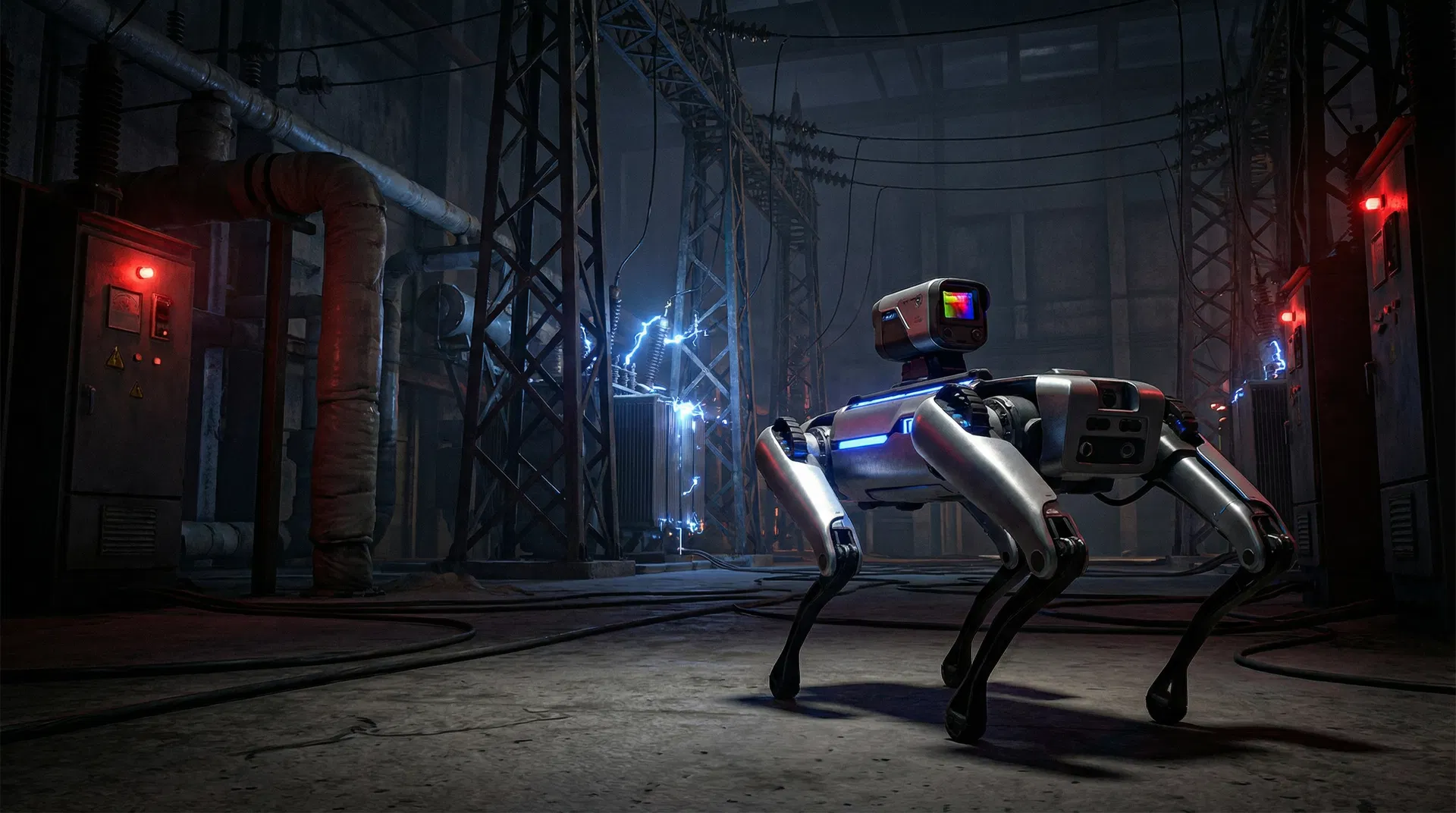
ATEX Explosion-Proof
Inspection Robots
ATEX and IECEx certified intrinsically safe inspection robots for Zone 1 and Zone 2 explosive atmosphere environments — enabling autonomous inspection in the most hazardous industrial areas.
ATEX & IECEx Certification Coverage
Our inspection robots are available in ATEX Zone 1, ATEX Zone 2, and IECEx certified configurations to match the hazardous area classification of your facility.
ATEX Zone 1
CertifiedAreas where explosive gas atmospheres are likely to occur during normal operation. Requires intrinsically safe (Ex i) or explosion-proof (Ex d) equipment. Common in oil & gas processing, chemical reactors, and solvent handling areas.
ATEX Zone 2
CertifiedAreas where explosive gas atmospheres are not likely to occur during normal operation but may occur in abnormal conditions. Less stringent than Zone 1 but still requires certified equipment. Common in oil & gas storage, chemical plants, and fuel handling areas.
IECEx
CertifiedInternational certification scheme for equipment used in explosive atmospheres. IECEx certification is recognized in over 50 countries and is the preferred standard for international deployments in oil & gas, mining, and chemical industries outside the EU.
How ATEX Certification is Achieved
ATEX certification requires comprehensive design controls across all robot subsystems. Our engineering approach ensures compliance without compromising inspection capability.
Intrinsically Safe Electronics
All electronic circuits are designed to limit electrical and thermal energy below the ignition threshold of the target gas group. Intrinsic safety (Ex i) is the preferred protection concept for portable and mobile equipment in hazardous areas.
Sealed & Purged Enclosures
Critical electronics are housed in sealed enclosures with positive pressure purging (Ex p) or potting (Ex m) to prevent explosive atmosphere ingress. Enclosure integrity is maintained under the mechanical stresses of quadruped locomotion.
Certified Gas Detection Payloads
Sensor payload modules are independently ATEX/IECEx certified for use in explosive atmospheres. Intrinsically safe gas detection sensors detect methane, H₂S, CO, LEL combustible gases, and oxygen deficiency in Zone 1 and Zone 2 environments.
Temperature Class Compliance
Surface temperatures of all robot components are controlled to remain below the auto-ignition temperature of the target gas group. Temperature class (T1–T6) is specified for each robot configuration based on the deployment environment.
Third-Party Certification
ATEX and IECEx certification is performed by accredited third-party notified bodies. Certification documentation, test reports, and declarations of conformity are provided with each certified robot system.
Hazardous Area Risk Assessment
Our applications engineering team provides hazardous area risk assessment and zone classification review as part of the deployment planning process. We ensure the robot configuration matches the specific hazardous area classification of your facility.
Hazardous Area Industries
ATEX-certified inspection robots are deployed across all major hazardous area industries.
- ›Wellhead inspection
- ›Processing platform patrol
- ›Pipeline leak detection
- ›Compressor station monitoring
- ›Reactor area inspection
- ›Solvent handling areas
- ›Chemical storage inspection
- ›Process plant patrol
- ›Underground gas monitoring
- ›Conveyor inspection
- ›Electrical equipment patrol
- ›Post-blast inspection
- ›FPSO deck inspection
- ›Offshore platform patrol
- ›LNG carrier inspection
- ›Marine terminal monitoring
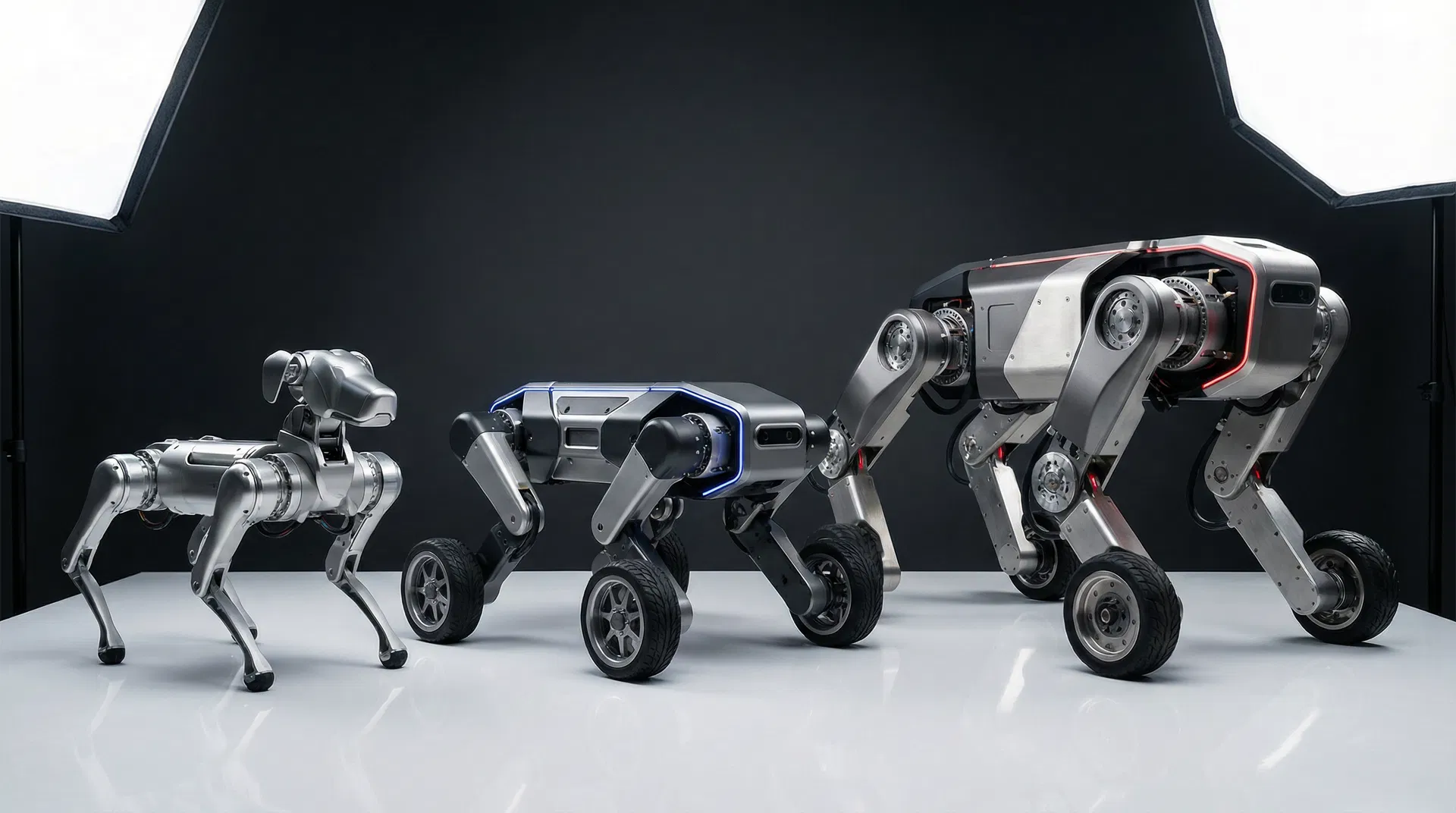
RZTM-1 Fire Explosion-Proof
The RZTM-1 Fire is our dedicated explosion-proof quadruped inspection robot, designed and certified for deployment in ATEX Zone 1 and Zone 2 hazardous areas. Intrinsically safe electronics, certified sensor payloads, and IP67 protection enable autonomous inspection in the most demanding explosive atmosphere environments.
ATEX Certification FAQs
Common Questions About ATEX Explosion-Proof Inspection Robots
Answers to the most common questions from procurement managers, system integrators, and engineering teams evaluating our robotic platforms.
ATEX (ATmosphères EXplosibles) is the EU directive governing equipment used in explosive atmospheres. ATEX certification is legally required for any electrical equipment deployed in areas where explosive gas or dust atmospheres may be present (Zone 0, 1, 2 for gases; Zone 20, 21, 22 for dust). Without ATEX certification, deploying electrical equipment in these zones creates unacceptable explosion risk and regulatory non-compliance.
ATEX is the EU-specific certification scheme based on EU Directive 2014/34/EU. IECEx is the international certification scheme based on IEC 60079 standards, recognized in over 50 countries. Both schemes test to essentially the same technical standards (EN/IEC 60079 series), but ATEX is required for EU deployments while IECEx is preferred for international deployments. Many operators specify both certifications for global deployments.
Yes. ATEX Zone 1 certified robot configurations are available with intrinsically safe electronics, certified sensor payloads, and temperature class compliance for Zone 1 explosive atmosphere environments. Zone 1 certification requires more stringent design controls than Zone 2, including intrinsically safe (Ex i) or explosion-proof (Ex d) protection concepts for all electronic components.
Our ATEX/IECEx certified configurations cover Gas Group IIA (propane, methane), IIB (ethylene, hydrogen sulfide), and IIC (hydrogen, acetylene) depending on the specific configuration. Gas group selection depends on the hazardous substances present in your facility. Our applications engineering team will specify the correct gas group for your deployment environment.
ATEX-certified robot configurations are available as standard products — certification is already completed, not a custom process. Lead time from order to delivery depends on configuration and volume, typically 8–16 weeks for standard ATEX configurations. Our team can provide detailed delivery timelines during the quotation process.
Yes. ATEX-certified robots can be deployed in both hazardous and non-hazardous areas. Many facilities have a mix of classified and non-classified zones, and a single ATEX-certified robot can patrol across both zone types. This simplifies fleet management and avoids the need for separate robot fleets for different areas.
Still have questions?
Our application engineers are available to answer technical questions, discuss deployment requirements, and provide custom quotations.
Talk to an EngineerRelated Resources
Average response time: within 24 hours on business days
Deploy Inspection Robots in Your Hazardous Areas
Our applications engineering team will review your hazardous area classification and specify the correct ATEX/IECEx certified robot configuration for your facility.