Detect Hardware Failures
Before They Cause Downtime
Autonomous thermal inspection, environmental monitoring, and equipment status checking — continuous, consistent, and comprehensive. Replace manual inspection rounds with a robotic system that never misses a hotspot.
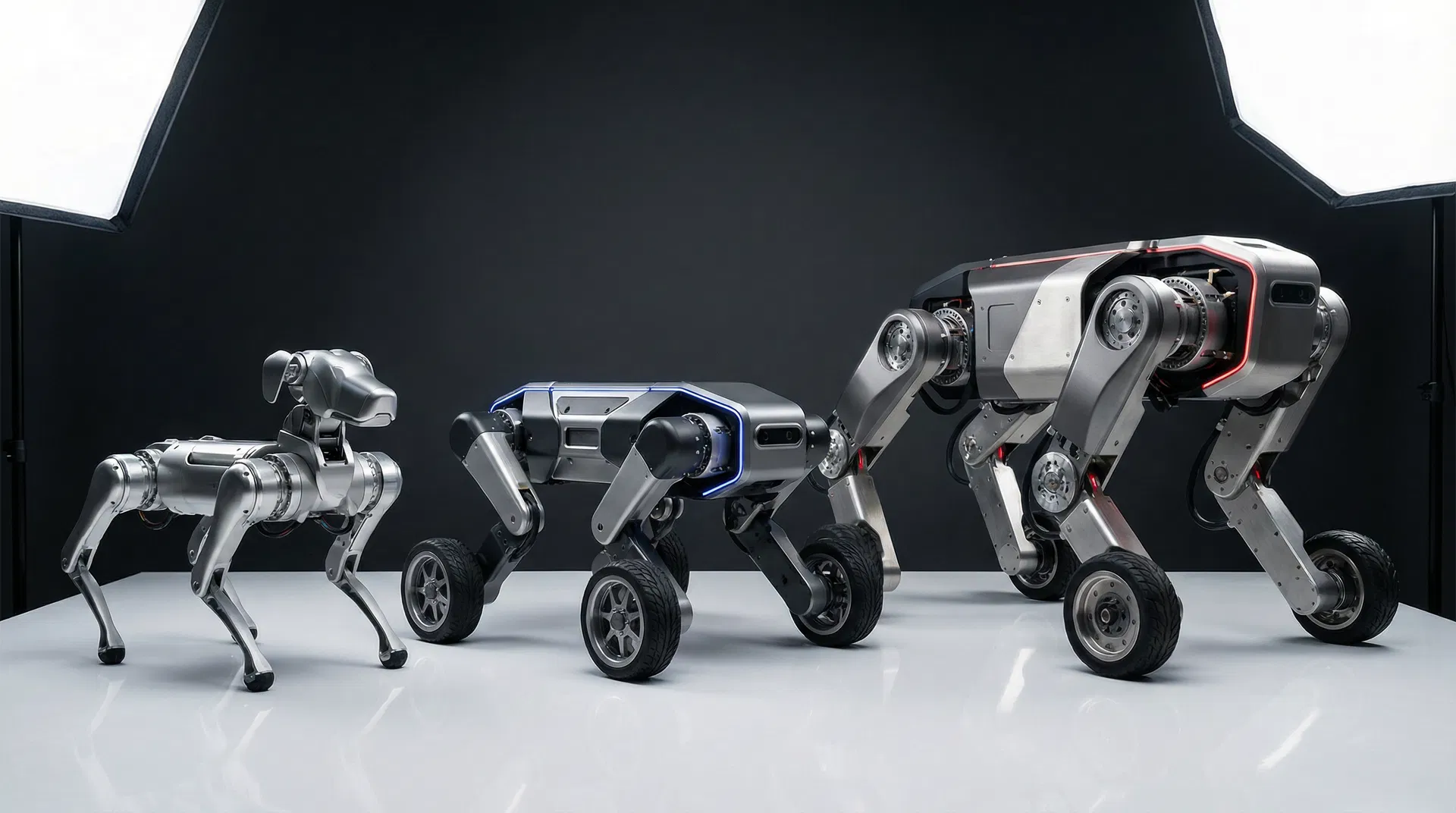
The Hidden Cost of Incomplete Inspection
Most data center downtime events are preceded by detectable warning signs. The challenge is that manual inspection rounds simply cannot provide the coverage frequency and consistency needed to catch them in time.
Undetected Thermal Runaway
Server hardware failures often begin as thermal anomalies hours or days before visible symptoms. Manual inspection rounds — typically once per shift — miss the early warning window entirely.
Incomplete Coverage
Large data centers with thousands of rack units cannot be comprehensively inspected by manual rounds. High-density areas, cable floors, and remote zones are frequently under-inspected.
Night & Weekend Coverage Gaps
Staffing constraints mean inspection frequency drops significantly outside business hours — precisely when many hardware failures occur and when response times are longest.
Compliance & Audit Documentation
Tier III/IV data centers require comprehensive inspection records for compliance and audit purposes. Manual inspection logs are incomplete, inconsistent, and difficult to analyze for trend reporting.
Comprehensive Data Center Inspection
Precision Thermal Monitoring
High-resolution infrared imaging identifies hotspots on server racks, UPS units, PDUs, and cooling equipment. AI analysis distinguishes normal operating temperatures from anomalous heat signatures that indicate impending hardware failure.
Cable & Indicator Status Inspection
Visual AI inspects cable management, connection integrity, indicator light status, and physical security of equipment. Loose cables, unseated connectors, and warning indicators are flagged with precise rack-level location data.
Environmental Condition Monitoring
Continuous monitoring of temperature, humidity, and airflow across all data hall zones. Detects cooling failures, hot aisle/cold aisle containment breaches, and humidity excursions before they impact equipment reliability.
Power Infrastructure Inspection
Thermal and visual inspection of UPS systems, PDUs, switchgear, and generator sets. Identifies overloaded circuits, failing capacitors, and cooling fan failures in power infrastructure before they cause unplanned downtime.
Autonomous Navigation in Dense Environments
LiDAR SLAM navigation maps and navigates complex data center floor plans with precision — narrow aisles, raised floors, and dense rack configurations. Operates without GPS and adapts to layout changes without re-mapping.
Structured Inspection Records
Every patrol generates a structured digital inspection record with thermal images, environmental readings, equipment status, and anomaly events. Records are timestamped, geo-referenced to rack location, and automatically uploaded to the management platform.
Where Our Robots Operate
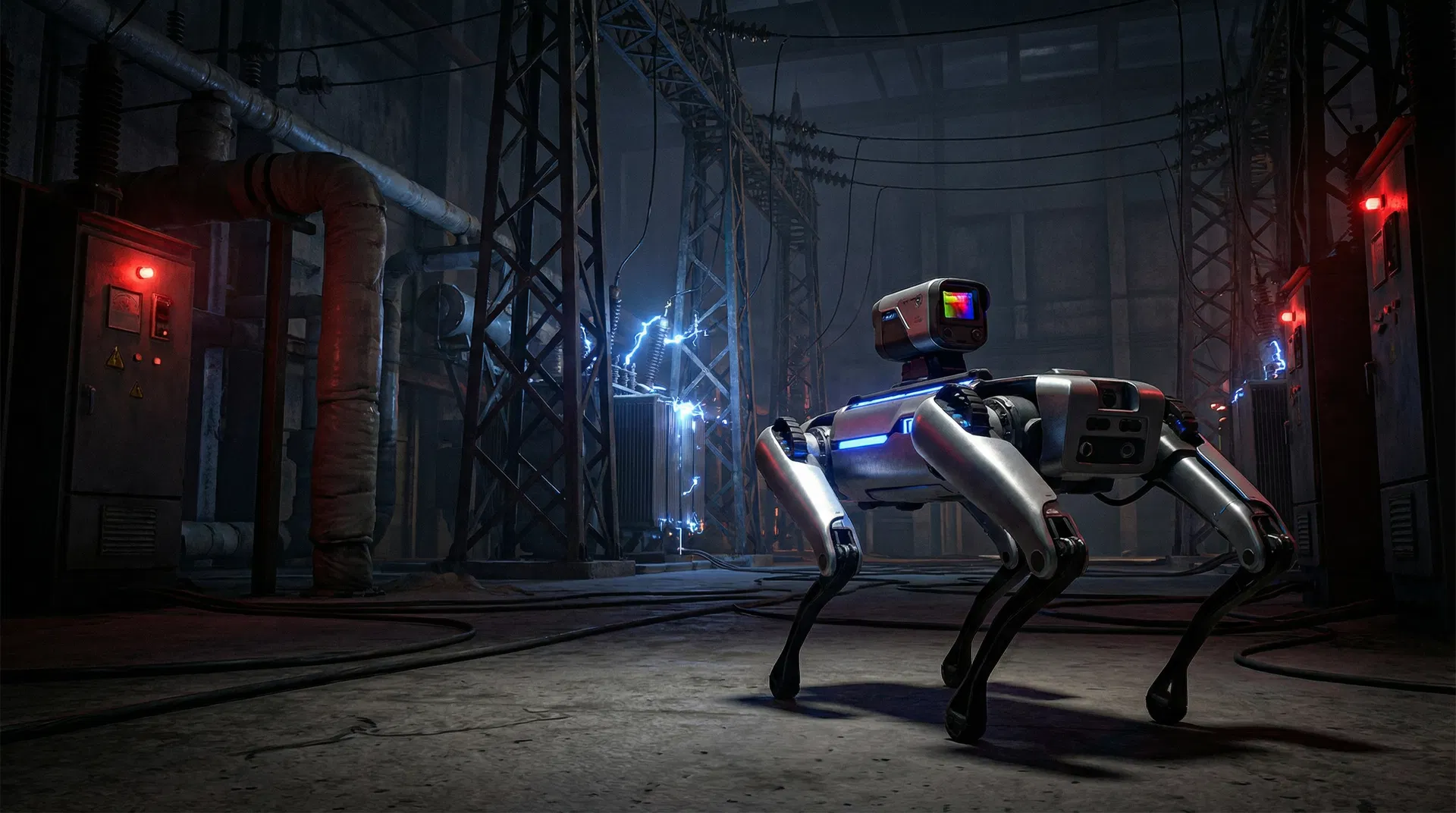
Server Hall Thermal Patrol
Regular thermal inspection of all server racks, identifying hotspots that indicate failing cooling, overloaded circuits, or hardware approaching thermal limits. Early detection enables proactive maintenance before hardware failure causes service disruption.
UPS & Power Room Inspection
Scheduled inspection of UPS systems, battery banks, PDUs, and switchgear. Thermal imaging identifies failing battery cells, overloaded circuits, and cooling fan failures. Visual inspection checks indicator status and physical condition.
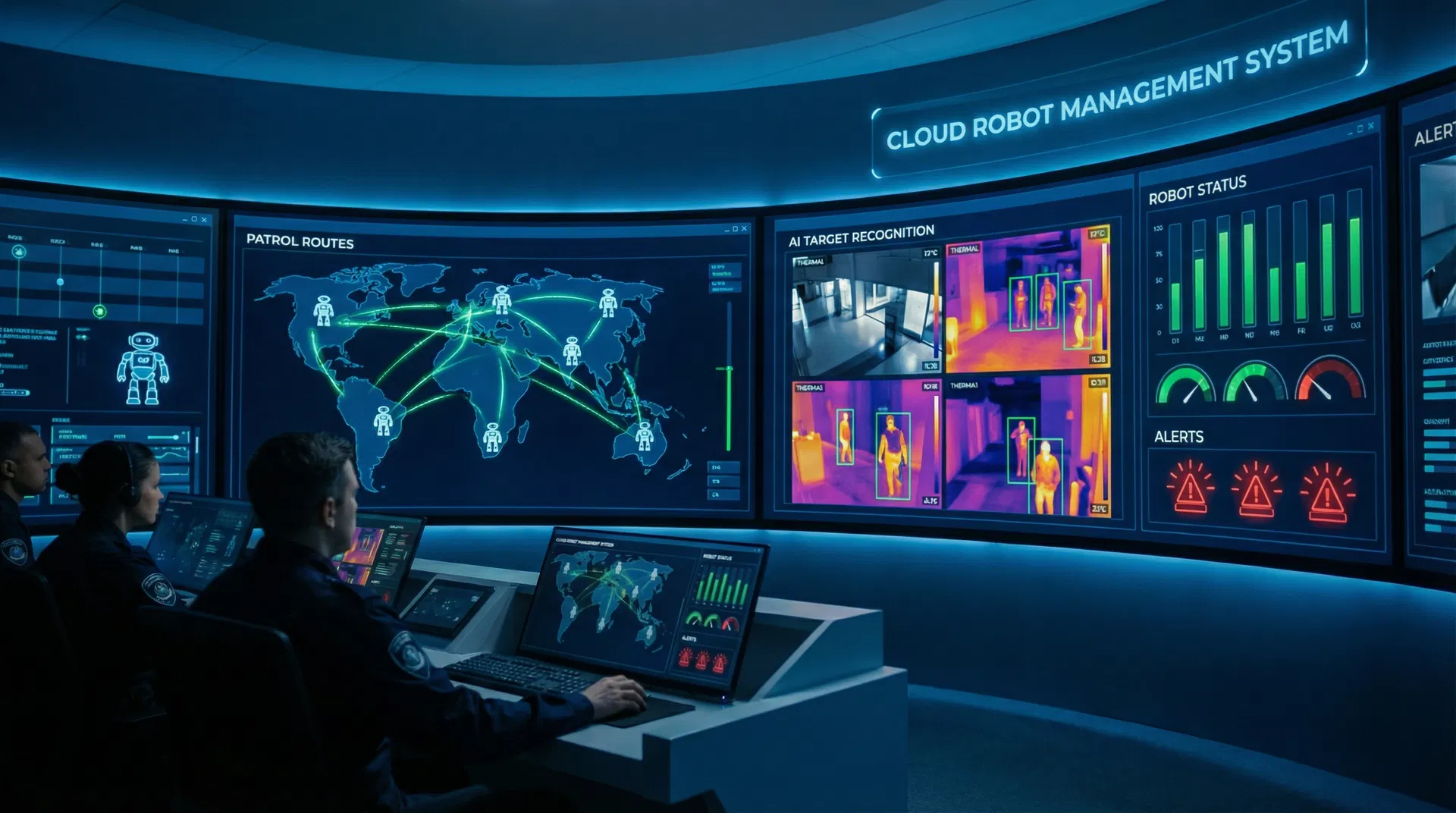
Cooling System Monitoring
Continuous monitoring of CRAC/CRAH units, in-row coolers, and cooling distribution infrastructure. Detects airflow blockages, filter fouling, and refrigerant leaks. Validates hot aisle/cold aisle containment integrity.
After-Hours Security & Compliance
After-hours patrol combines security monitoring with infrastructure inspection. Unauthorized access detection, physical security checks, and environmental monitoring in a single autonomous operation — without requiring night-shift inspection staff.
Complete Data Center Inspection System
| Component | Role | Key Specifications |
|---|---|---|
| RZTL-1 / RZTL-1W | Primary Inspection Platform | Compact form factor for narrow aisles, IP54, -20°C to 55°C, 2h runtime, silent operation |
| Thermal Imaging Module | Hotspot Detection | High-resolution IR camera, AI anomaly detection, rack-level location tagging |
| Environmental Sensor Array | Ambient Condition Monitoring | Temperature, humidity, airflow; zone-level mapping and trend analysis |
| AI Visual Inspection Module | Equipment Status Recognition | Indicator light status, cable integrity, physical security, label reading |
| LiDAR SLAM Navigation | Precision Indoor Navigation | Sub-10 cm positioning accuracy, dynamic obstacle avoidance, multi-zone routing |
| DCIM Integration Platform | Data Management & Integration | Structured inspection records, DCIM/CMMS integration, anomaly alerting, trend reporting |
Designed for High-Voltage Electrical Environments
Large-scale data centres house substantial electrical infrastructure — high-capacity UPS systems operating at 480V or higher, high-voltage DC bus systems, diesel generator sets, and medium-voltage switchgear rooms. These environments present genuine arc flash and electrical hazard risks that require the same rigorous safety discipline applied to industrial substations. Sending personnel into live electrical rooms for routine inspection creates unnecessary exposure to these hazards.
Our inspection robots are built to operate safely in data centre electrical environments. The platform’s IP54-rated enclosure (IP67 on the RZTL-1 platform) protects against dust and incidental moisture in raised-floor environments. Non-conductive chassis materials and shielded electronics reduce the risk of accidental electrical contact. The robot’s EMC-compliant design ensures reliable sensor operation in the presence of high-frequency switching noise from UPS inverters and PDUs — a common failure point for robots not specifically designed for data centre deployment.
For data centres with on-site fuel storage, battery rooms, or hydrogen-generating UPS systems, the robot’s multi-gas sensor module continuously monitors for hydrogen accumulation, combustible gas presence, and oxygen depletion — providing early warning of conditions that could create ATEX-classified hazardous areas within the facility. This capability is particularly relevant for data centres operating VRLA or lithium-ion battery banks, where thermal runaway events can release flammable gases.
Electrical Safety Specifications
For data centres with formal ATEX Zone classification requirements (e.g., hydrogen battery rooms), contact our engineering team to discuss zone-specific deployment configurations.
Protect Your Uptime SLA
Our data center inspection specialists will design a deployment plan matched to your facility’s layout, tier requirements, and inspection frequency targets.
Common Questions About Data Center Inspection Robot Solutions
Answers to the most common questions from procurement managers, system integrators, and engineering teams evaluating our robotic platforms.
Data centers require continuous monitoring of temperature, humidity, airflow, equipment status, and physical security across thousands of servers and network equipment. Inspection robots provide automated, continuous monitoring that supplements static sensors, detecting hotspots, equipment failures, and unauthorized access in real time.
Data center inspection robots perform thermal imaging to detect server hotspots and cooling failures, visual inspection of indicator lights and equipment status, floor tile and cable management inspection, environmental monitoring (temperature, humidity), and physical security patrol of server rooms and corridors.
Data center inspection robots use precision SLAM navigation to operate in the structured grid environment of server rooms. They navigate between server rows, under raised floors (with appropriate clearance), and through hot/cold aisle configurations while maintaining safe distances from sensitive equipment.
Yes. The RZTL-1W operates at under 55 dB in wheeled mode, making it suitable for noise-sensitive data center environments. It generates no electromagnetic interference that could affect server operations and can perform inspections 24/7 without any operational disruption.
Data center inspection robots integrate with Data Center Infrastructure Management (DCIM) systems via REST API and MQTT protocols, feeding real-time thermal, environmental, and visual inspection data into the DCIM platform for unified monitoring and alerting.
Still have questions?
Our application engineers are available to answer technical questions, discuss deployment requirements, and provide custom quotations.
Talk to an EngineerRelated Resources
Average response time: within 24 hours on business days